
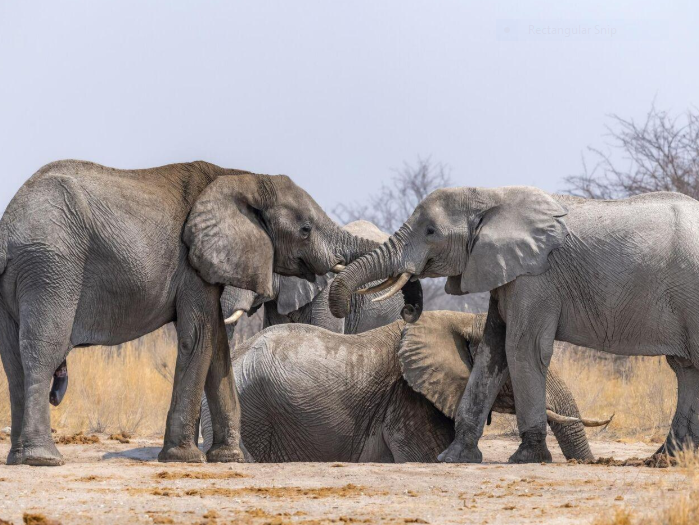
For many years, elephants were thought to live largely separate lives once young males left their family herds. While female elephants remain closely connected to their relatives, male elephants follow a different path—one that is often misunderstood.

Leaving the family group does not mean living in complete isolation. Instead, young bulls gradually begin forming relationships with other males, creating social connections that can last for many years. These friendships play an important role in helping them learn, mature, and navigate life in the wild.

As young males grow more independent, they often spend time with older, more experienced bulls. These interactions provide valuable opportunities to observe behavior, understand social boundaries, and develop the confidence needed for adulthood. Experienced males can influence younger elephants through calm leadership and example, helping maintain harmony within elephant populations.
Male elephants also form loose social groups known as bachelor herds. Unlike the close family units led by females, these groups are flexible. Individuals may come and go over time, yet familiar companions often seek one another out whenever their paths cross.
These enduring associations offer important benefits. Companionship can reduce conflict, provide opportunities for cooperative learning, and help elephants locate food, water, and safe routes through changing landscapes. Even when bulls spend periods alone, they frequently reconnect with trusted companions.

The strength of these friendships reminds us that elephants are highly social animals with rich emotional lives. Their relationships extend beyond family ties, demonstrating that cooperation and companionship remain valuable throughout adulthood.
Scientific observations continue to reveal the remarkable complexity of elephant society. Male elephants recognize familiar individuals, remember past companions, and adjust their behavior depending on the relationships they have built over time. These lasting social connections contribute to the stability and well-being of elephant populations.
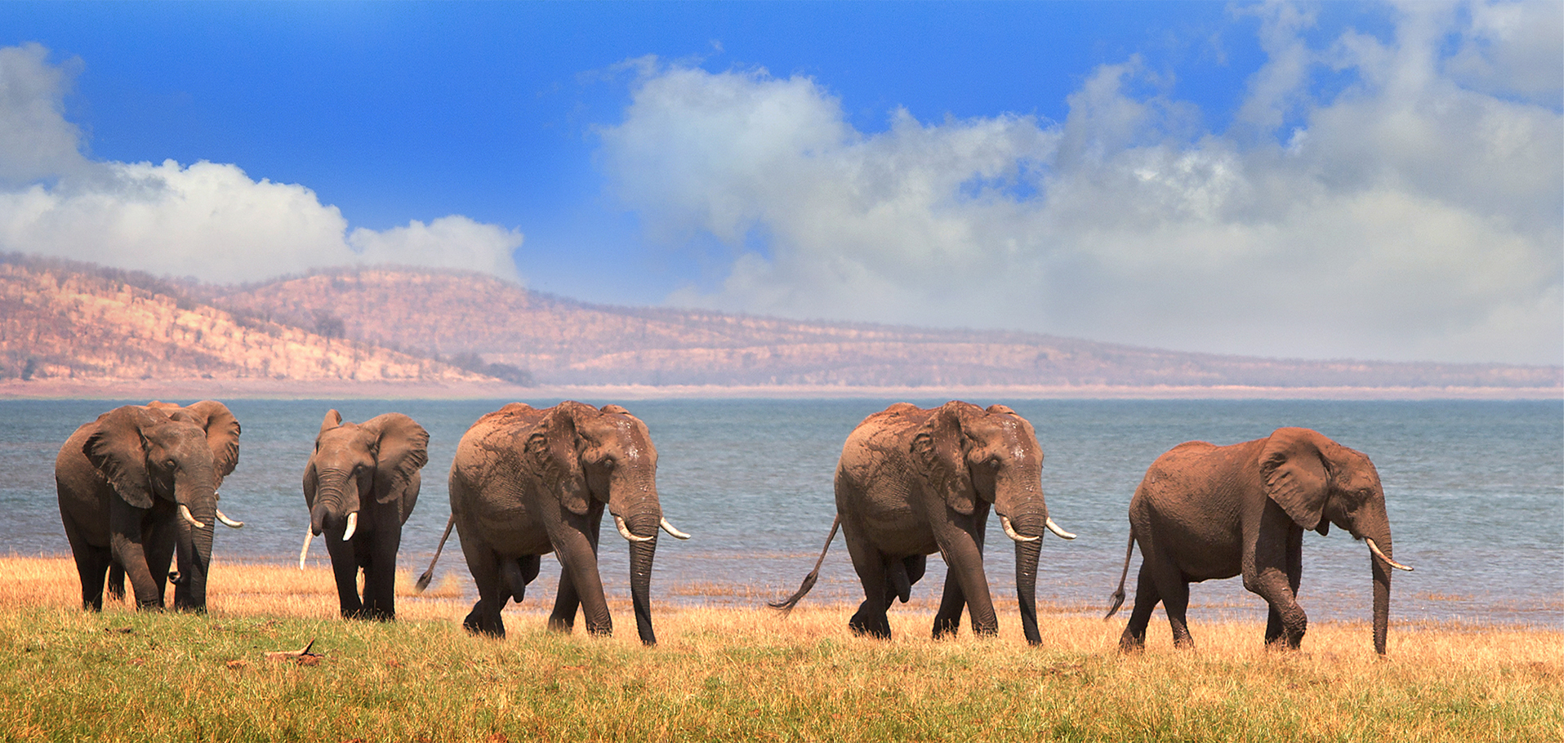
Protecting elephants means safeguarding more than individual animals. It also means preserving the landscapes where these meaningful relationships can develop naturally across generations. Healthy habitats allow young bulls to learn from experienced males, build trusted friendships, and continue the social traditions that have shaped elephant life for thousands of years.
At Elephant Rise, we believe every elephant deserves the opportunity to thrive in a safe and connected environment. By protecting their habitats and supporting conservation efforts, we help ensure that future generations of elephants can continue to form the lifelong friendships that are such an essential part of life in the wild.