
Awareness is an important first step in protecting elephants, but awareness alone is not enough. Real change begins when people come together, share what they know, and turn concern into action.
A community can start in a very simple way. One person may learn about the threats elephants face and share that information with friends, classmates, or family members. Those people may then talk to others, creating a growing network of individuals who care about elephant conservation.

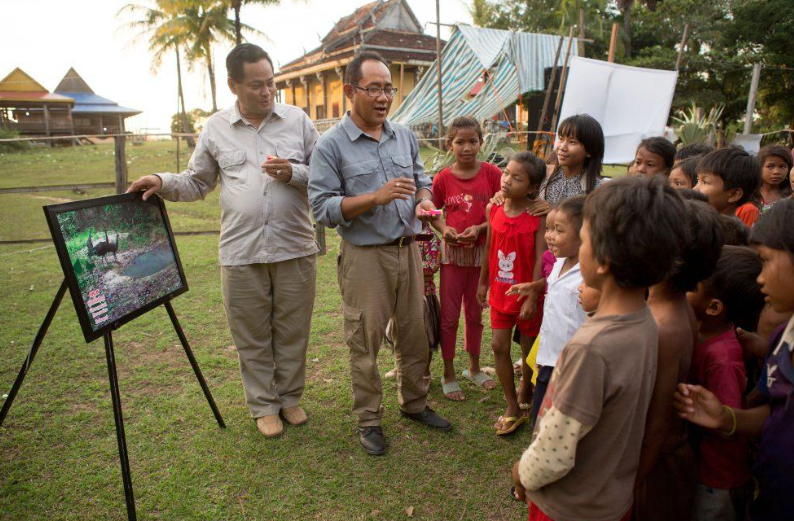
Education plays a major role in this process. Schools, community groups, and wildlife organizations can organize talks, exhibitions, workshops, or online campaigns about elephants. These activities help people understand problems such as habitat loss, poaching, the ivory trade, and human–elephant conflict.

Once people understand the problem, they are more likely to take action. A community might raise money for conservation projects, support wildlife organizations, reduce the use of products that harm the environment, or encourage responsible tourism. Some groups may even volunteer in conservation programs or help protect natural habitats.

Social media can also create momentum. A single post, photograph, or short video can reach hundreds or thousands of people. When many individuals share the same message, elephant conservation becomes more visible and attracts greater public attention.
Community action is especially powerful because people can encourage one another. It is easier to stay involved when others share the same goal. Small individual actions begin to connect, and together they can create a much larger impact.

Protecting elephants does not depend on one person doing everything. It depends on many people doing something. When awareness is shared, conversations become actions, actions become habits, and a group of concerned individuals can grow into a strong community working for change.