
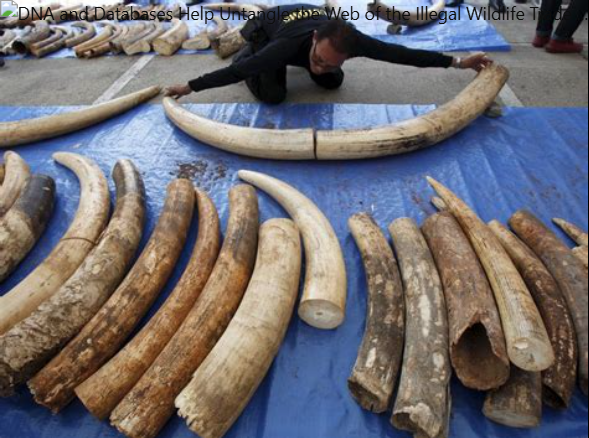
DNA analysis has become one of the most powerful tools in the fight against the illegal ivory trade. Every elephant carries a unique genetic signature that can reveal where it came from, much like a fingerprint. By collecting DNA samples from seized ivory and comparing them with genetic databases of wild elephant populations, scientists can identify the geographic origin of the tusks.
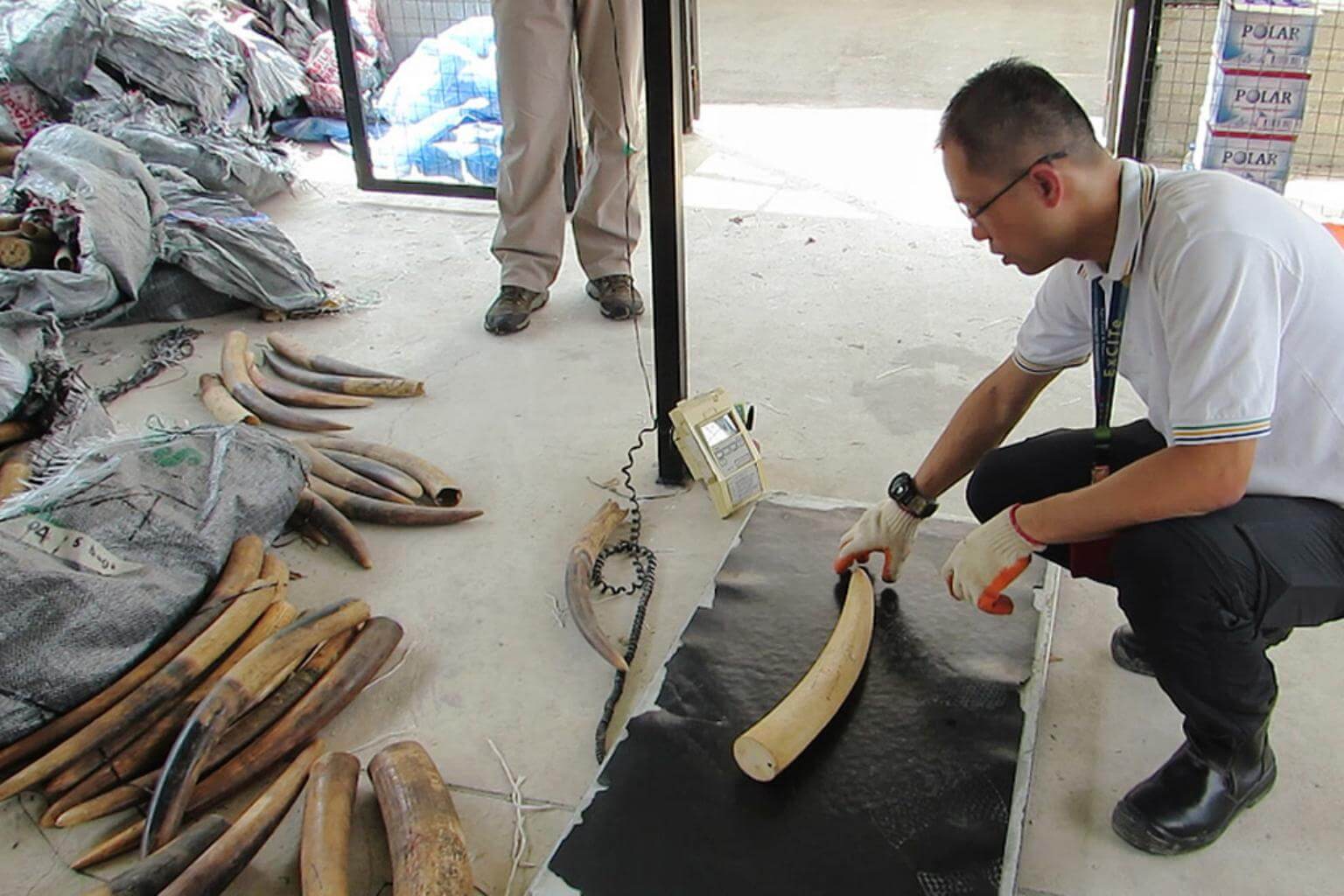
This information helps investigators locate poaching hotspots, understand trafficking routes, and uncover the criminal networks responsible for illegal wildlife trade. Research has shown that DNA-based forensic techniques have successfully linked large ivory seizures to specific regions in Africa, providing valuable evidence for conservation and law enforcement efforts.

DNA technology also strengthens international cooperation in wildlife crime investigations. When customs officers seize illegal ivory, forensic laboratories analyze genetic material to determine whether the tusks came from African or Asian elephants and, in many cases, identify the population from which they originated.

This scientific evidence helps governments focus anti-poaching patrols in the most affected areas while supporting criminal prosecutions against wildlife traffickers. Combined with satellite monitoring, ranger patrols, and international law enforcement, DNA analysis has become an essential part of modern elephant conservation.

Although illegal ivory trade remains a serious threat, advances in genetic science are giving conservationists new hope. Every DNA sample collected contributes to a better understanding of elephant populations and helps authorities protect vulnerable herds before more animals are lost. By combining cutting-edge science with global cooperation and stronger wildlife protection, we can reduce illegal ivory trafficking and ensure that elephants continue to thrive in the wild for future generations.
