
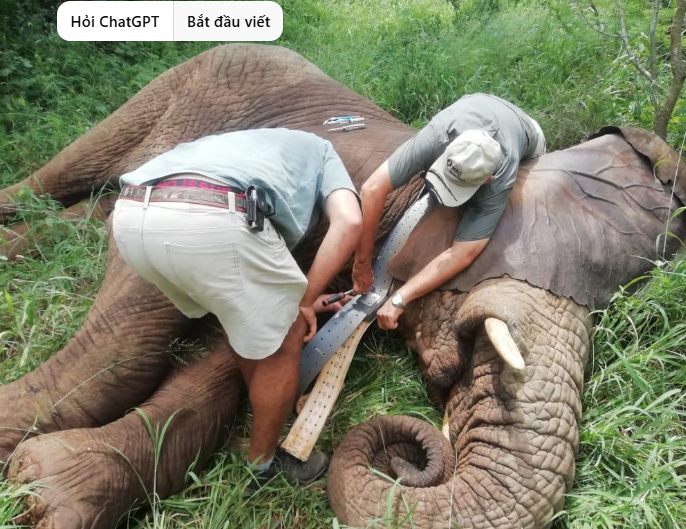
GPS collars have become one of the most valuable tools in modern elephant conservation. These specially designed collars use satellite technology to record an elephant's location and transmit the data to researchers in real time. By tracking where elephants travel each day, scientists can better understand migration routes, habitat use, and seasonal movements.
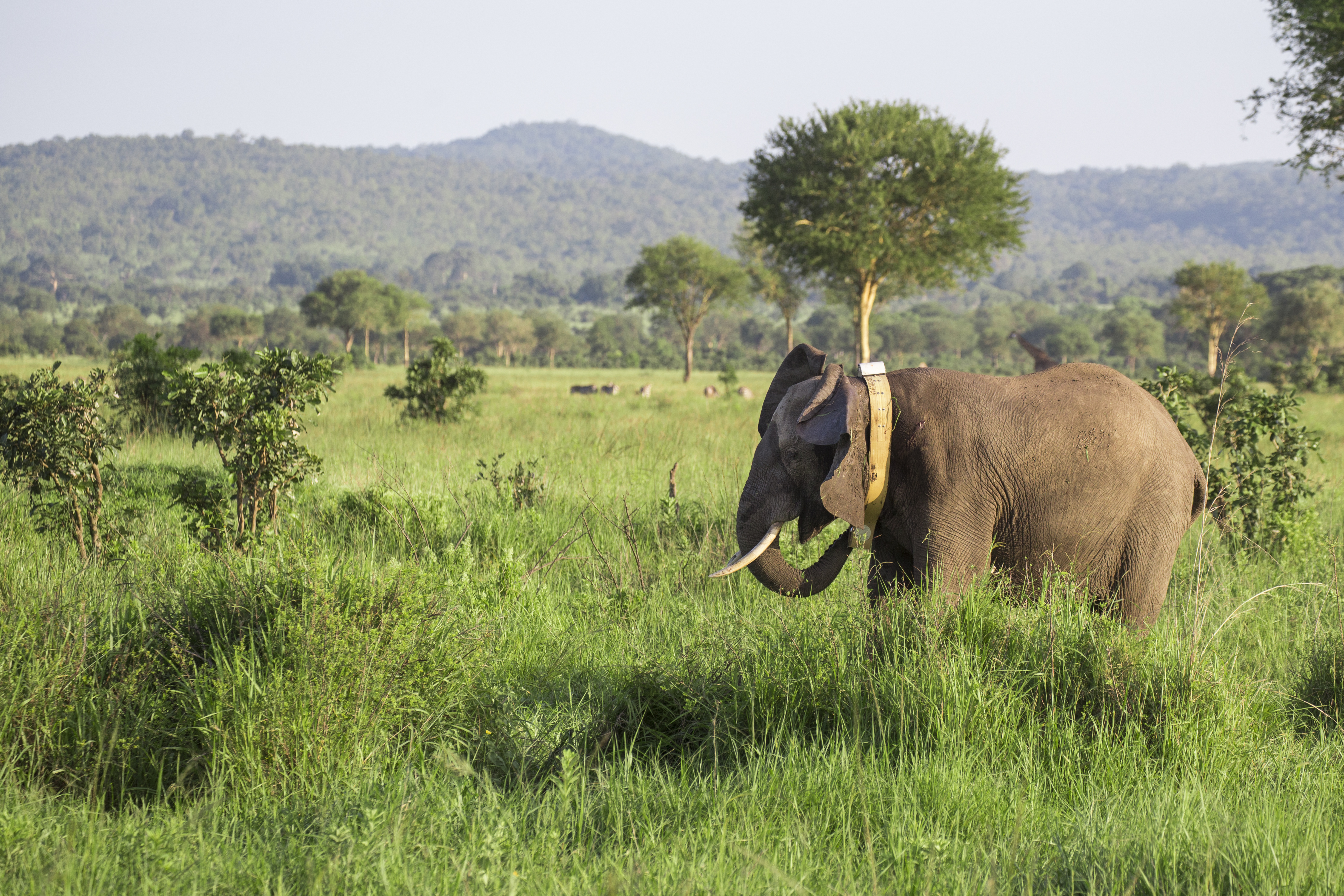
The collars are carefully fitted by trained veterinarians and conservation teams, ensuring the elephants' safety and comfort throughout the process. Research shows that GPS tracking provides detailed movement data while allowing scientists to monitor elephants with minimal disturbance.
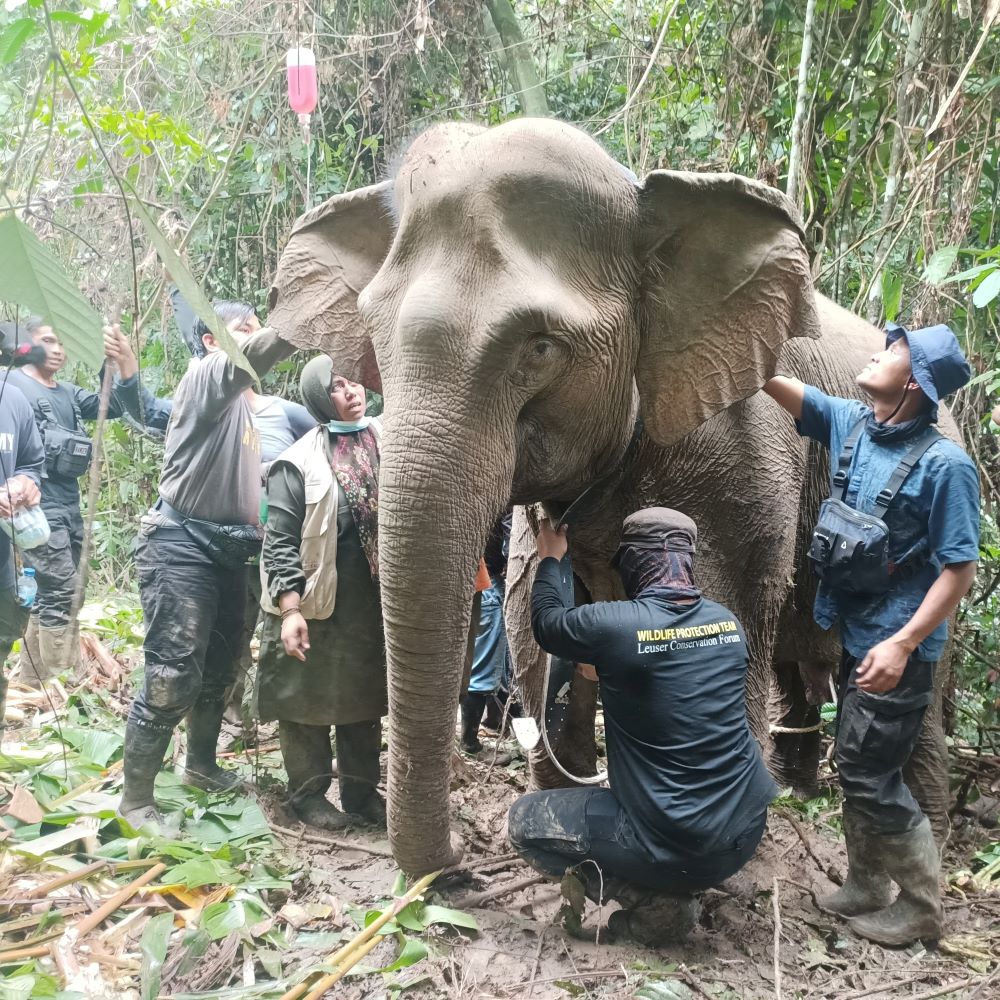
The information collected from GPS collars plays a vital role in protecting elephant populations. When elephants approach farms or villages, conservation teams can alert local communities to help prevent human–elephant conflict. GPS data also helps identify important wildlife corridors, monitor habitat changes, and detect unusual behavior that could indicate injury or poaching. In some conservation programs, real-time tracking enables rangers to respond quickly when an elephant stops moving unexpectedly, improving the chances of preventing illegal hunting.

GPS technology also supports long-term conservation planning. By studying elephant movements over months and years, scientists can recommend where new protected areas or wildlife corridors are needed. Governments and conservation organizations use this information to make better decisions about land use, road construction, and habitat restoration.

As technology continues to improve, GPS collars are helping create a future where people and elephants can coexist more safely. Every movement recorded brings researchers one step closer to understanding and protecting these remarkable animals for generations to come.
