
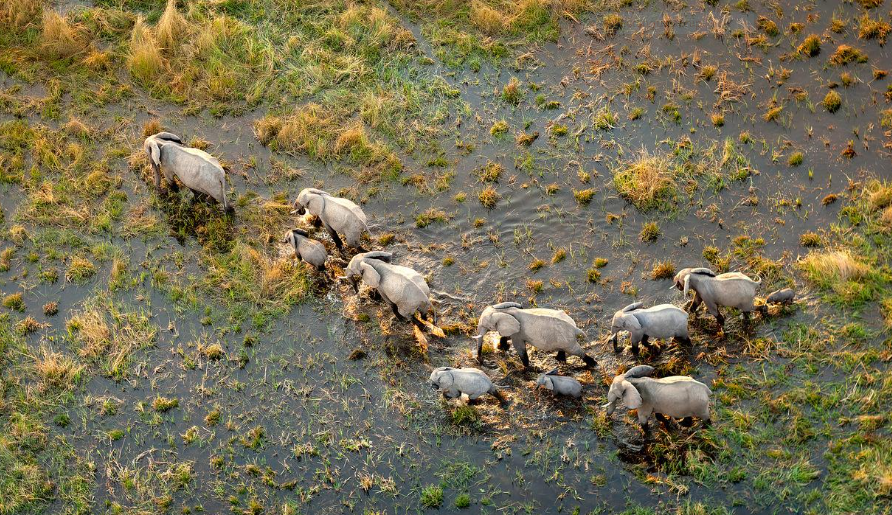
Habitat fragmentation is one of the greatest challenges facing wild elephants today. As forests are cleared for agriculture, roads, railways, and expanding cities, large continuous habitats become divided into smaller patches. These isolated areas make it difficult for elephant herds to travel in search of food, water, and safe breeding grounds. Since elephants naturally migrate over long distances, barriers created by human development can disrupt their traditional movement routes and reduce access to essential resources.

When elephant populations become isolated, the consequences extend beyond daily survival. Limited movement reduces opportunities for different herds to interact and breed, leading to lower genetic diversity over time. Smaller, separated populations are also more vulnerable to disease, environmental changes, and local extinction.

In addition, elephants forced to travel through farms and villages are more likely to come into conflict with people, causing damage to crops and increasing risks for both humans and wildlife.

Conservationists are working to reconnect fragmented habitats by protecting wildlife corridors and restoring degraded landscapes. Carefully planned crossings, forest restoration projects, and sustainable land-use planning allow elephants to move safely between protected areas while reducing human–elephant conflict.

These efforts also benefit many other species that depend on connected ecosystems. By safeguarding habitat connectivity today, we can help ensure that future generations of elephants continue to thrive in healthy, resilient landscapes. Protecting nature's connections is essential for the survival of both wildlife and people.