
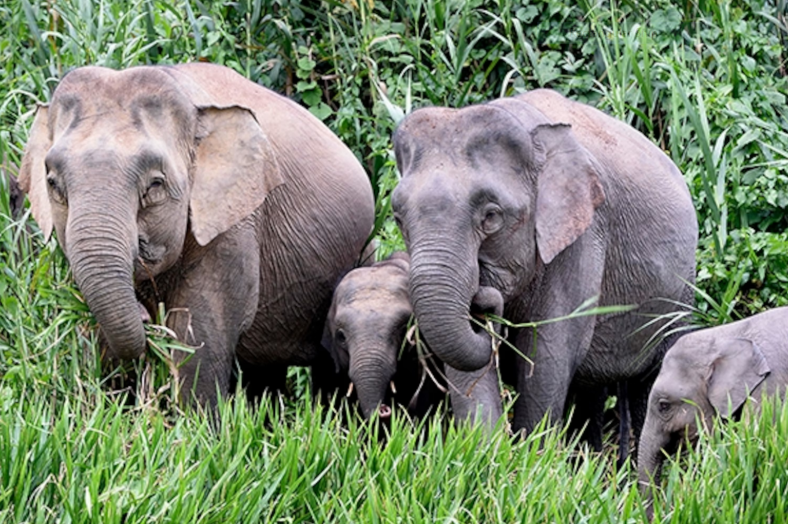

Although most wild elephants live on large continental landscapes, some populations inhabit islands where they have adapted to unique environmental conditions. These island elephants often experience different challenges and opportunities compared to their mainland relatives, making them an important focus for conservation.

Island habitats are typically smaller and more isolated, with limited food resources and less space for elephants to roam. Over generations, these conditions can influence behavior, movement patterns, and even physical characteristics. Island elephants may travel shorter distances, form smaller groups, and rely on seasonal changes in vegetation to meet their nutritional needs ephants from other regions, maintaining genetic diversity can become more difficult. Conservationists carefully monitor these populations to ensure they remain healthy and resilient over time.

Human activity presents additional challenges. As island landscapes are often shared with growing communities, elephants may encounter roads, farms, and settlements more frequently, increasing the risk of human-elephant conflict. Protecting habitat corridors and promoting peaceful coexistence are essential for the long-term survival of these unique populations.

Scientists continue to study island elephants to better understand how geography shapes their behavior, ecology, and adaptation. The knowledge gained helps improve conservation strategies not only for island populations but also for elephants living in fragmented habitats around the world.
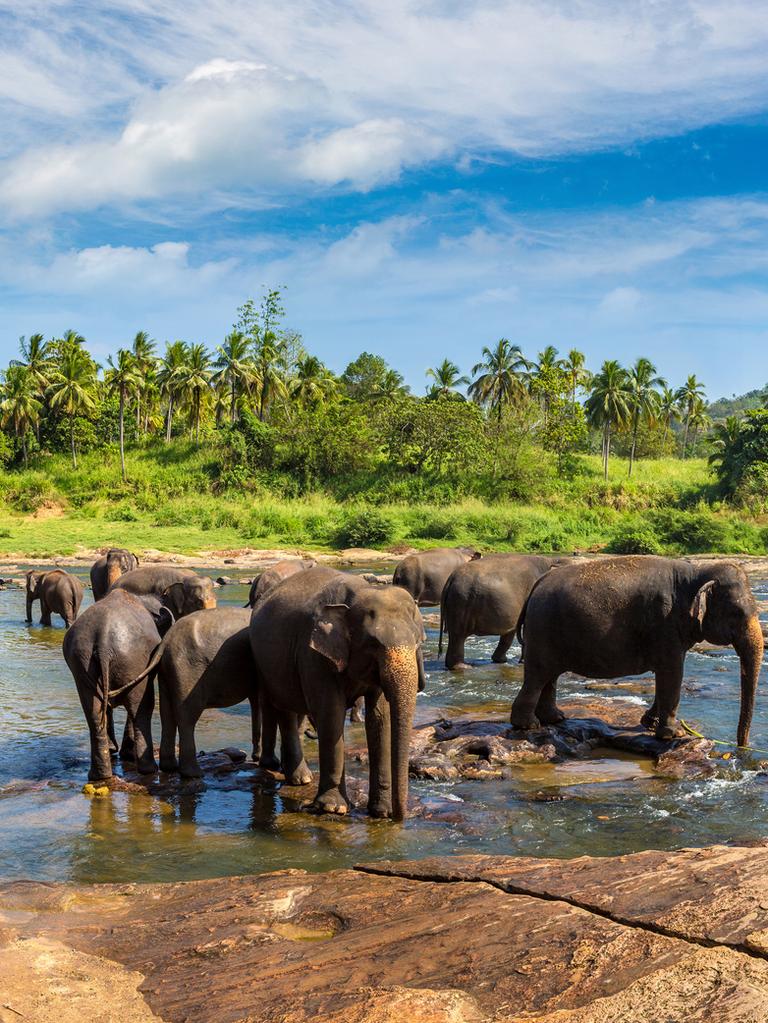
At Elephant Rise, we believe every elephant population is valuable, regardless of where it lives. By protecting island habitats, supporting scientific research, and encouraging sustainable coexistence, we can help ensure these remarkable elephants continue to thrive for generations to come.
