
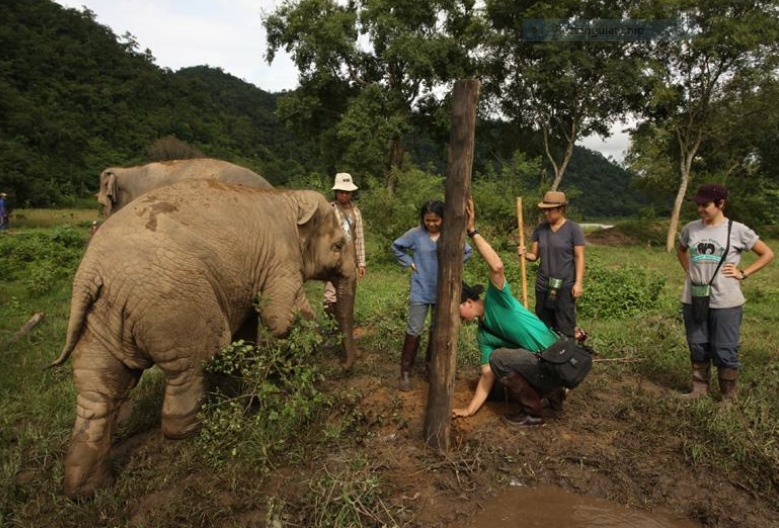
Elephant conservation is most successful when local communities are actively involved. People living near elephant habitats play a vital role in protecting these magnificent animals because they understand the landscape, its wildlife, and the challenges of living alongside elephants.

By working together with conservation organizations and government agencies, communities can help reduce threats such as habitat loss, poaching, and human–elephant conflict. Their knowledge and participation are essential for creating long-term conservation solutions that benefit both people and wildlife.

Many communities are already making a positive difference through sustainable farming, forest restoration, and wildlife monitoring. Farmers can protect crops using non-lethal methods such as beehive fences or early-warning systems, while local volunteers often assist rangers by reporting illegal activities and tracking elephant movements.

Community education programs also encourage children and adults to appreciate the importance of elephants and healthy ecosystems. In addition, ecotourism initiatives provide alternative sources of income, giving local families a financial incentive to protect wildlife instead of exploiting natural resources. Studies have shown that community-based conservation programs can improve both biodiversity conservation and local livelihoods.

Every individual has the power to contribute to elephant conservation. Supporting sustainable products, reducing deforestation, participating in local conservation projects, and spreading awareness about wildlife protection all help create a safer future for elephants.

When communities, governments, scientists, and conservation organizations work together, they can build landscapes where both people and elephants thrive. Protecting elephants is not only about saving a single species—it is about preserving the rich ecosystems that sustain countless forms of life and ensuring that future generations can continue to share the planet with these extraordinary animals.