
 n of having the Elephants hold the remarkable distinctio longest pregnancy of any land mammal. On average, an elephant's gestation lasts about 22 months, giving the developing calf nearly two years to grow before entering the world. This extended pregnancy is essential for producing a healthy newborn with a well-developed brain, strong muscles, and the coordination needed to survive in the wild.

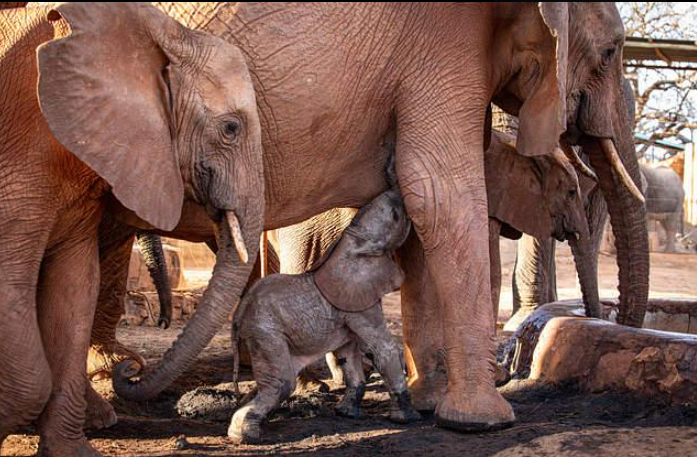
Both African and Asian elephants experience similarly long pregnancies, although slight variations can occur between individuals. By the time a calf is born, it typically weighs between 90 and 120 kilograms (200–265 pounds). Within a short time after birth, the calf is able to stand, walk alongside its mother, and begin exploring its surroundings under the watchful care of the herd.

Elephant mothers usually give birth to a single calf, while twins are exceptionally rare. The newborn depends heavily on its mother for nourishment and protection, nursing for several years as it gradually learns essential survival skills. Other female elephants in the family also help care for the young, creating a strong support system that increases the calf's chances of thriving.

Because elephants reproduce so slowly, every successful birth plays an important role in the survival of the species. Protecting elephant habitats, reducing human-wildlife conflict, and preventing poaching all contribute to giving future generations of elephants the opportunity to grow, flourish, and continue their vital role in maintaining healthy ecosystems.
