
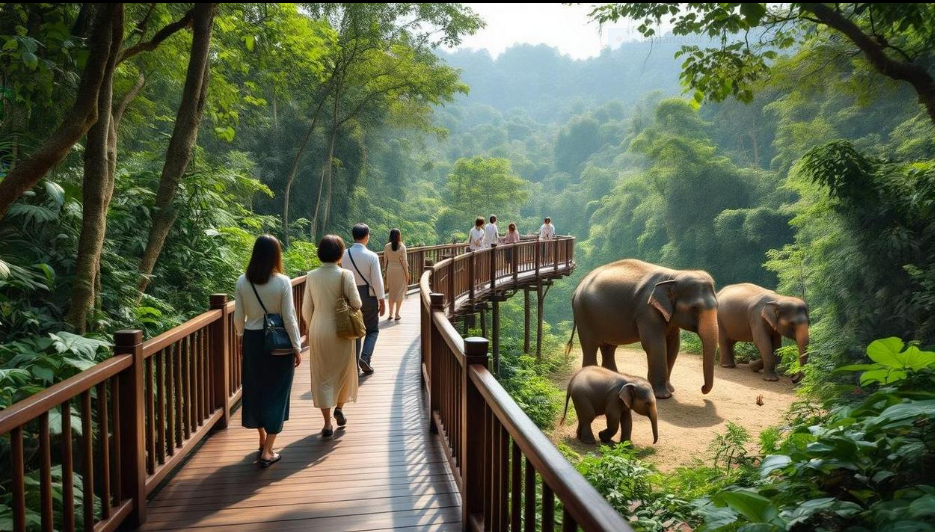
Responsible elephant tourism should always place the welfare of elephants above entertainment. Before visiting any elephant facility, travelers should consider whether the experience allows elephants to behave naturally and live in a safe, healthy environment. Ethical facilities do not offer elephant riding, circus-style performances, or activities that force elephants to interact with visitors against their will.

Instead, they focus on conservation, rescue, rehabilitation, and education, giving elephants the freedom to roam, forage, socialize, and rest according to their natural behaviors. Many leading animal welfare organizations now recommend observation-only experiences, where visitors learn about elephants without disturbing them.

Another important factor is transparency. Responsible sanctuaries openly share the history of their elephants, explain how they are cared for, and demonstrate their commitment to high welfare standards.

Visitors should also look for facilities that employ experienced veterinarians, provide spacious natural habitats, avoid the use of harmful training methods, and support local communities through sustainable tourism. Small group sizes and knowledgeable guides can create a more meaningful experience while minimizing stress on the animals. Ethical tourism should benefit both elephants and the people who help protect them.

Every travel choice has an impact on wildlife conservation. By choosing responsible elephant tourism, visitors help support organizations that rescue elephants, restore habitats, and promote better animal welfare practices.
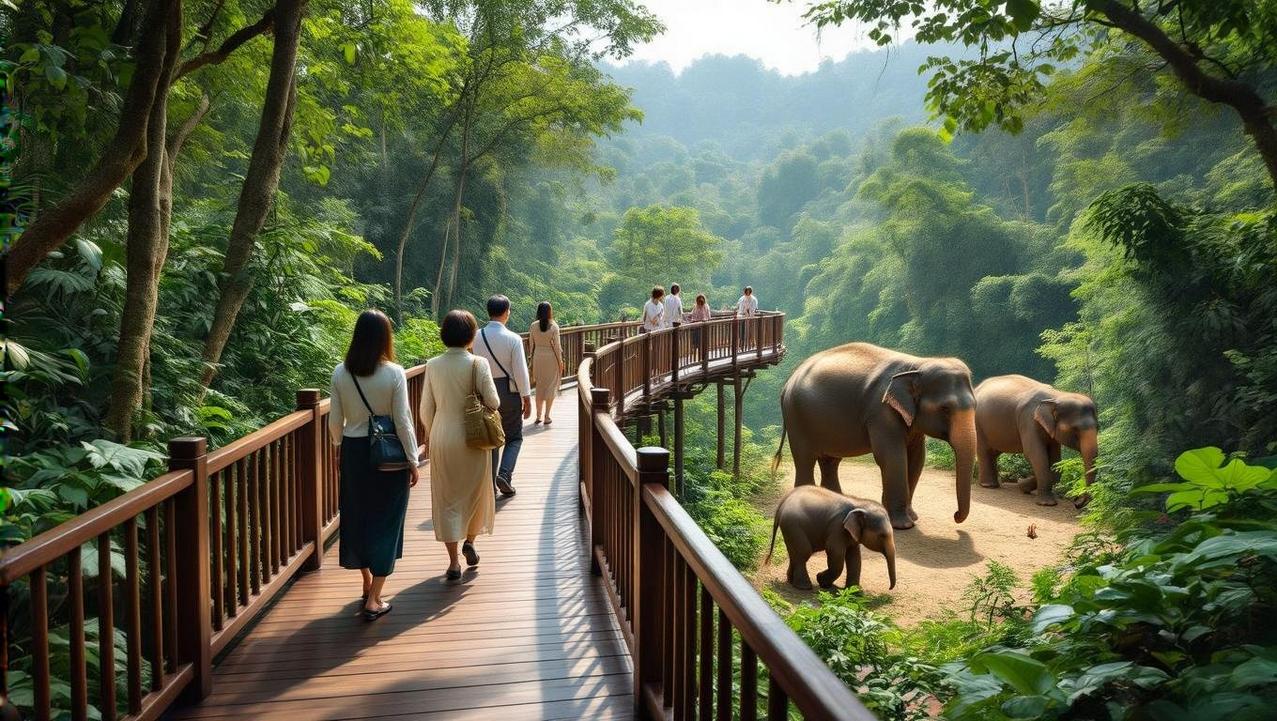
Rather than seeking close physical contact, travelers can appreciate elephants by watching them live naturally in their own environment. This approach creates a more authentic experience while contributing to the long-term protection of one of the world's most remarkable species.