
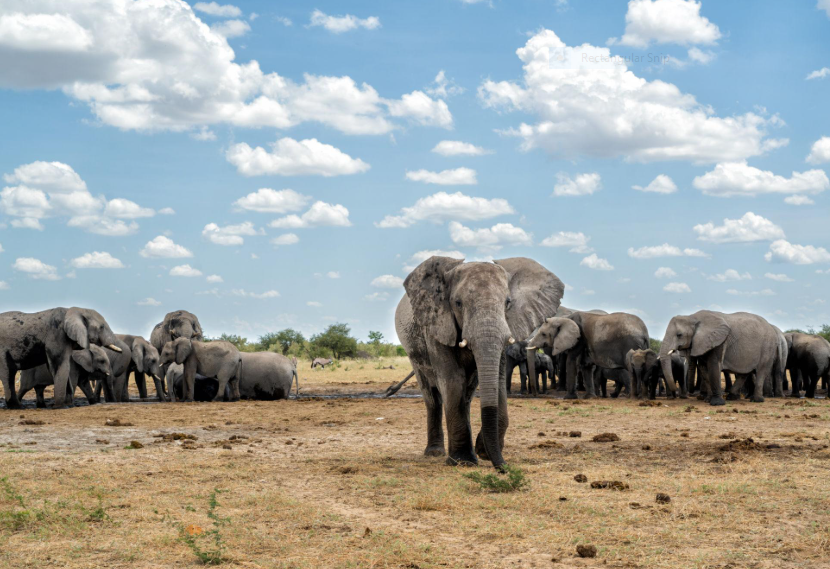
For young male elephants, growing up means more than simply getting bigger. As they mature, they gradually leave the close-knit family groups led by their mothers and begin an important new stage of life. This transition is a natural part of elephant development, helping young bulls gain the experience and independence they need to thrive as adults.

Male calves spend their early years surrounded by mothers, aunts, sisters, and other relatives, learning essential survival skills such as finding food, recognizing danger, and navigating their environment. However, as they approach adolescence—typically between 10 and 15 years of age—they begin spending more time away from the family herd. Rather than leaving suddenly, this separation usually happens gradually, with young bulls making longer and more frequent excursions before becoming more independent.

Life outside the family group offers valuable learning opportunities. Young bulls often associate with other males in small bachelor groups or spend time with older, more experienced bulls. These mature elephants play an important role by demonstrating appropriate social behavior, teaching younger males how to interact peacefully, compete respectfully, and respond to challenges. Through observation and experience, young bulls develop the confidence and skills needed for adulthood.
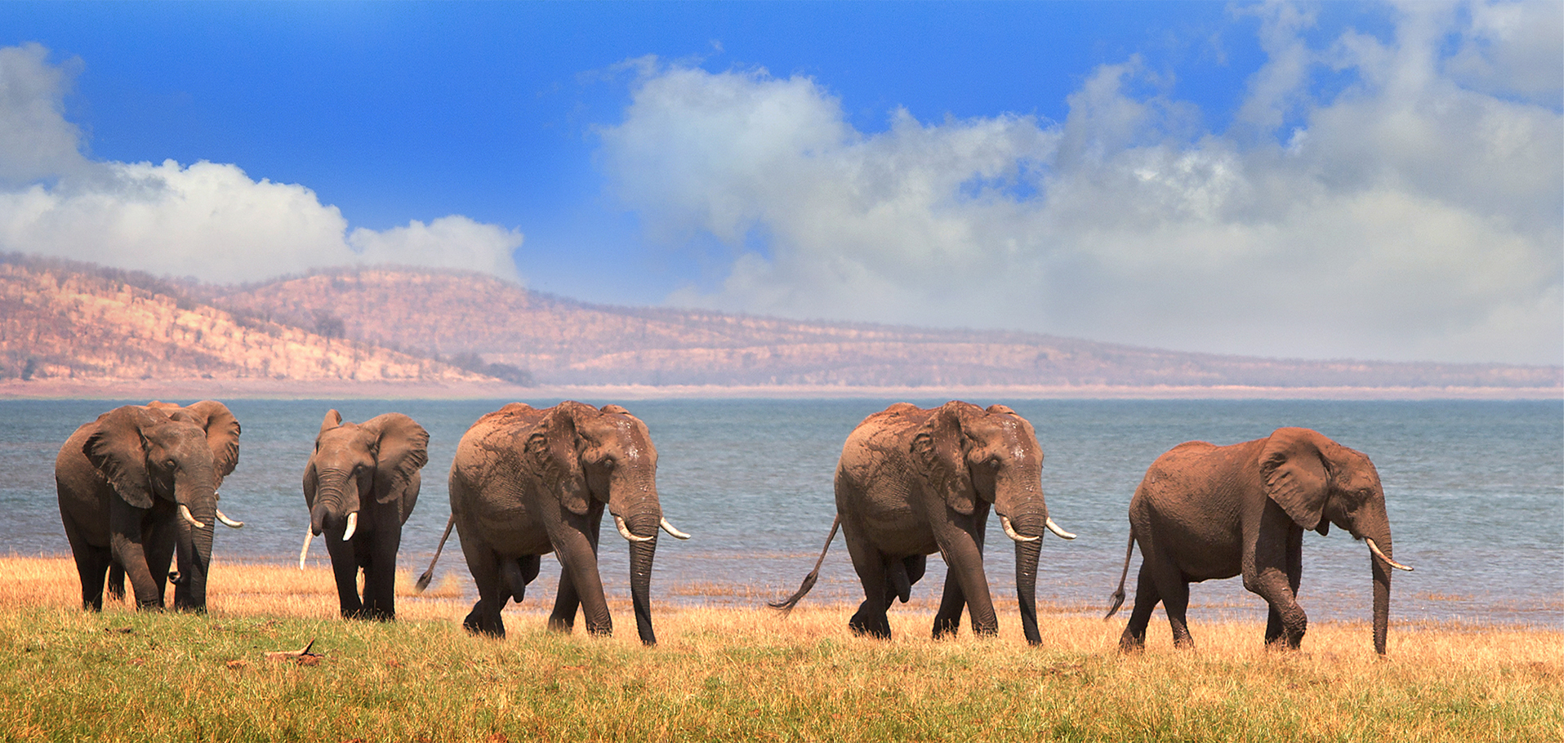
Although they become more independent, young bulls do not live completely alone. They may form temporary friendships with other males, join different groups, or travel on their own depending on food availability, breeding opportunities, and environmental conditions. This flexible lifestyle allows them to adapt to changing landscapes while continuing to learn throughout their lives.

Protecting elephants means safeguarding every stage of their journey—from dependent calves growing within close family herds to independent bulls finding their place in the wild. By conserving healthy habitats and stable elephant populations, we help ensure that young males can complete this natural transition, preserving the social traditions that have guided elephant generations for thousands of years.