
Although all elephant calves begin life in much the same way, young males and females gradually develop different behaviors and roles as they grow. These differences become more noticeable over time and are shaped by both biology and the social structure of elephant herds.

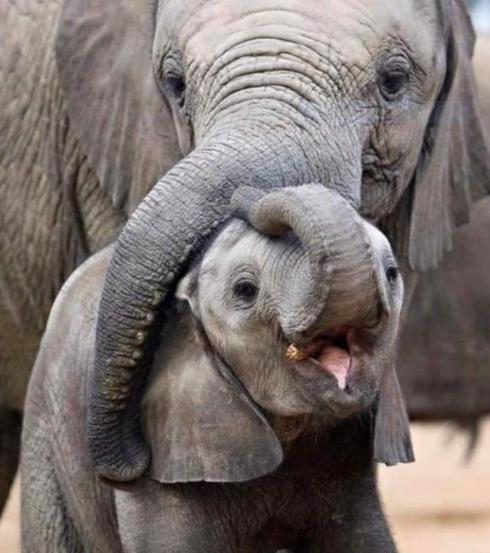
During their early years, both male and female calves remain close to their mothers, relying on them for milk, protection, and guidance. They learn essential survival skills by watching older elephants, including how to find food, locate water, use their trunks, and communicate with other members of the herd.
As they mature, female elephants usually remain with their family groups for life. They form strong social bonds with their mothers, sisters, daughters, and other female relatives. Over time, they help care for younger calves, passing on valuable knowledge and contributing to the stability of the herd.

Young males follow a different path. As they approach adolescence, they become increasingly independent and eventually leave their birth herd. They may spend time alone or join small groups of other males, where they continue developing social and survival skills before reaching full maturity.

Physically, male elephants generally grow larger than females and develop more robust bodies as adults. While both sexes play important roles in healthy elephant populations, their different life journeys help support the species' long-term survival.
Protecting elephants throughout every stage of life allows both young males and females to grow naturally, maintain healthy social structures, and continue their vital role in the ecosystems they call home.