
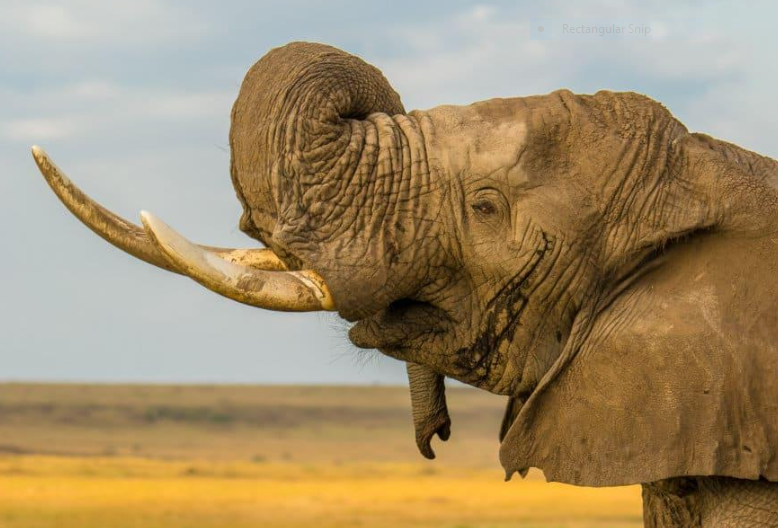
Musth is one of the most remarkable and often misunderstood stages in the life of an adult male elephant. While it may appear dramatic, musth is a completely natural biological process that plays an important role in elephant reproduction and social dynamics.
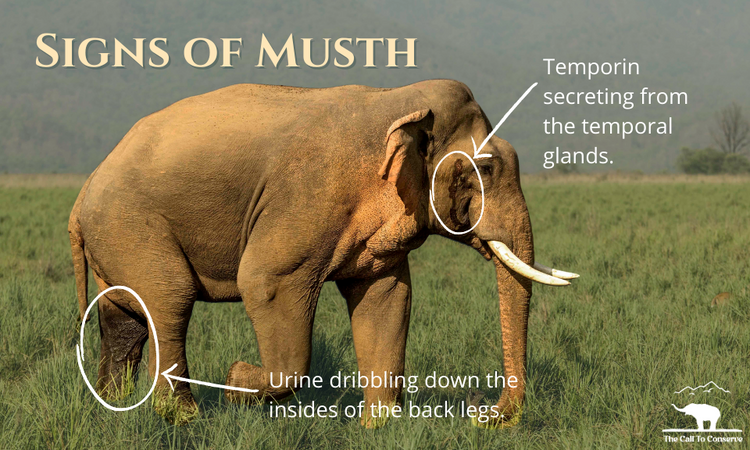
During this period, a bull elephant experiences significant hormonal changes, particularly a rise in testosterone levels. These changes influence both physical condition and behavior, making musth a temporary but important phase of maturity rather than a sign of illness or aggression.
One of the most recognizable signs of musth is the secretion of a dark, oily fluid from the temporal glands located between the eyes and ears. At the same time, males may continuously dribble urine, another common indicator that they have entered this reproductive state.

As hormone levels increase, elephants often become more focused on finding receptive females. They may travel greater distances than usual, spend less time feeding, and show increased confidence when interacting with other bulls. Mature males in musth frequently establish dominance through displays of strength and posture, helping reduce the need for serious physical conflict.

Although elephants experiencing musth can be more assertive and less tolerant of challenges, they do not become aggressive without reason. Their behavior remains influenced by their surroundings, previous experiences, and the presence of other elephants. Older, experienced bulls often understand social boundaries well, allowing interactions to remain predictable within healthy elephant populations.
![[수요동물원] 사랑이 고픈 수컷 코끼리는 ‘괴수’가 된다](https://images.openai.com/static-rsc-4/bzDsv9ZMXg1uhT5nNKhVrVwB1jlDhg1tSi8nufIT7I10rUt5Y13fjprHscKDL0uBkCwvnZYWLoAMZTnfh-3VwXe0a9vyWlMEpU9flGVHvLAtDoADFymPuTNxS76g0JscI8taqhUKapLAkWlRTGgvrdaKqK_En_9nmWaMCO-0Hr2H5tUmpU2Yq244QBLqYOhG?purpose=fullsize)
The length of musth varies from one elephant to another. Younger bulls may experience shorter or less intense periods, while fully mature males can remain in musth for several weeks or even months. Once hormone levels return to normal, behavior gradually settles, and elephants resume their typical routines.
Scientists continue to study musth because it offers valuable insight into elephant biology, communication, and reproduction. Understanding this natural process also helps wildlife managers, veterinarians, and conservationists make informed decisions that support both elephant welfare and human safety.

At Elephant Rise, we believe that knowledge is one of the strongest tools for conservation. By helping people understand natural elephant behaviors such as musth, we can replace fear with respect and encourage greater appreciation for the complex lives of these extraordinary animals.
