
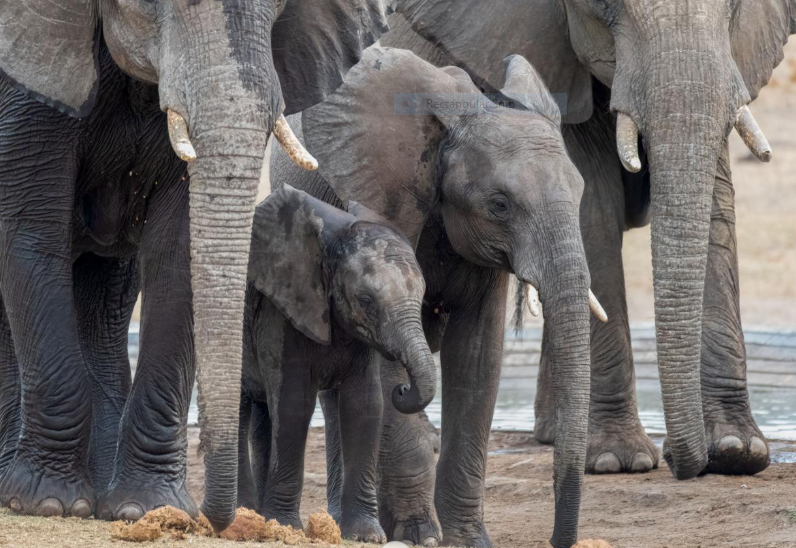
Elephant calves rely entirely on their mother's milk during the first months of life, but their curiosity about solid food begins surprisingly early. At around 4 to 6 months of age, young elephants start experimenting with grasses, leaves, bark, and other vegetation. These early attempts are part of the learning process rather than a major source of nutrition.

Even after sampling plants, milk remains the calf's primary food for several years. Mother's milk provides the essential nutrients, energy, and antibodies needed to support healthy growth while the calf's digestive system continues to develop. As the calf grows stronger, it gradually eats more vegetation and becomes increasingly skilled at foraging.

Young elephants learn what to eat by closely observing their mothers and other experienced members of the herd. They watch adults use their trunks to pull up grasses, strip leaves from branches, and select nutritious plants. Through practice and imitation, calves slowly develop the feeding skills they will depend on throughout their lives.

By the age of one year, elephant calves consume a greater variety of solid foods, although they still nurse regularly. Weaning is a gradual process, and many calves continue drinking milk until they are 2 to 4 years old, sometimes even longer depending on their mother's next pregnancy and the herd's conditions.

The slow transition from milk to solid food reflects the careful way elephants raise their young. Protecting elephant families and their natural habitats ensures that calves have access to the food, guidance, and security they need to grow into healthy adults.
