

Wild elephants once roamed across vast regions of Africa and Asia, but today their range is much smaller. The world's remaining elephant populations survive in scattered landscapes where protected habitats, healthy ecosystems, and conservation efforts give them the best chance to thrive.

The African savanna elephant inhabits grasslands, woodlands, and open savannas across parts of eastern and southern Africa. Countries such as Botswana, Kenya, Tanzania, Namibia, South Africa, and Zimbabwe support some of the largest remaining populations. These elephants shape their environment by creating water access, dispersing seeds, and maintaining open habitats that benefit countless other species.

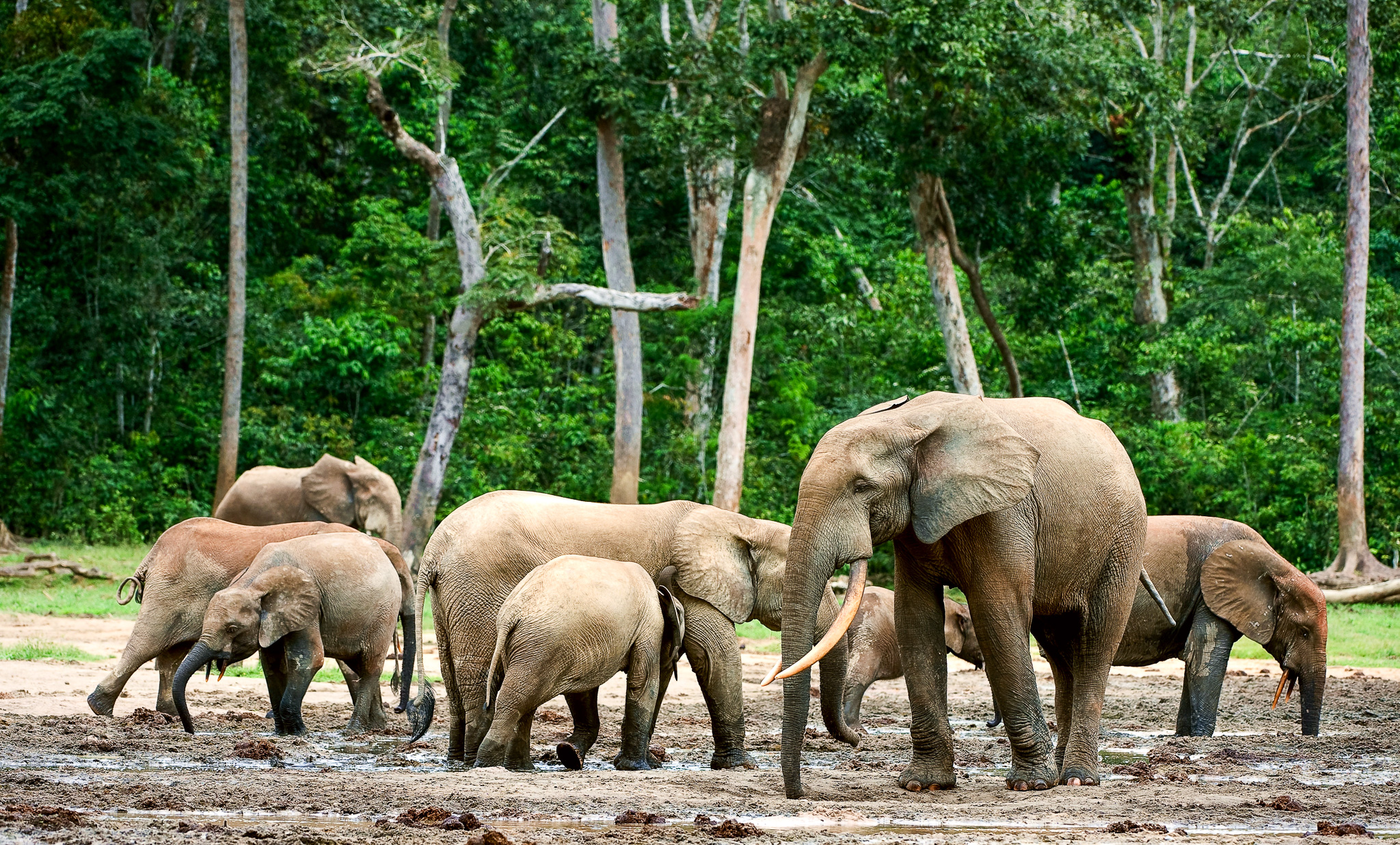
The African forest elephant is found in the tropical rainforests of Central and West Africa. Living beneath dense forest canopies, these elusive elephants play a vital role in regenerating forests by dispersing seeds over long distances and helping maintain one of the planet's richest ecosystems.

The Asian elephant ranges across South and Southeast Asia, including India, Sri Lanka, Nepal, Bhutan, Thailand, Malaysia, Indonesia, and several neighboring countries. They inhabit forests, grasslands, and wetlands, where they contribute to biodiversity by creating natural pathways and spreading the seeds of many plant species.
Despite their different habitats, all wild elephants face similar challenges, including habitat loss, fragmentation, human-elephant conflict, and illegal poaching. Protecting connected landscapes and promoting coexistence between people and wildlife are essential for their long-term survival.

At Elephant Rise, we believe that safeguarding the places where wild elephants still live is just as important as protecting the animals themselves. By conserving these precious habitats today, we can help ensure that future generations will continue to share the world with these extraordinary giants.

