
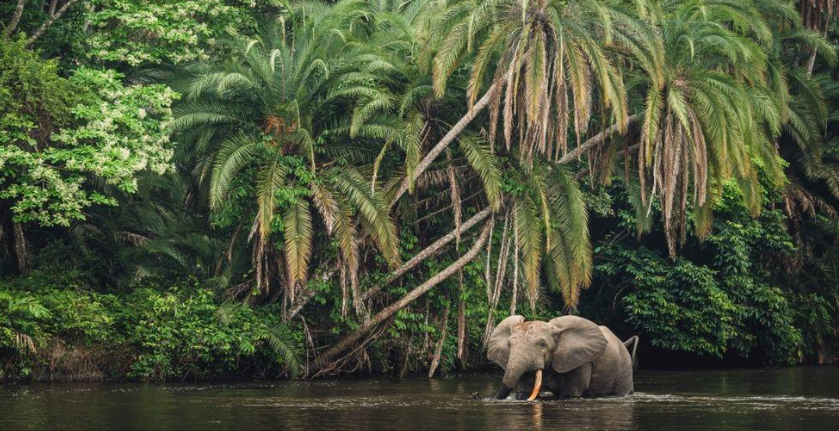
Elephants are often called the "engineers of the ecosystem" because their daily activities shape and maintain the landscapes they inhabit. As they move through forests, grasslands, and savannahs, they create conditions that support countless other plants and animals.
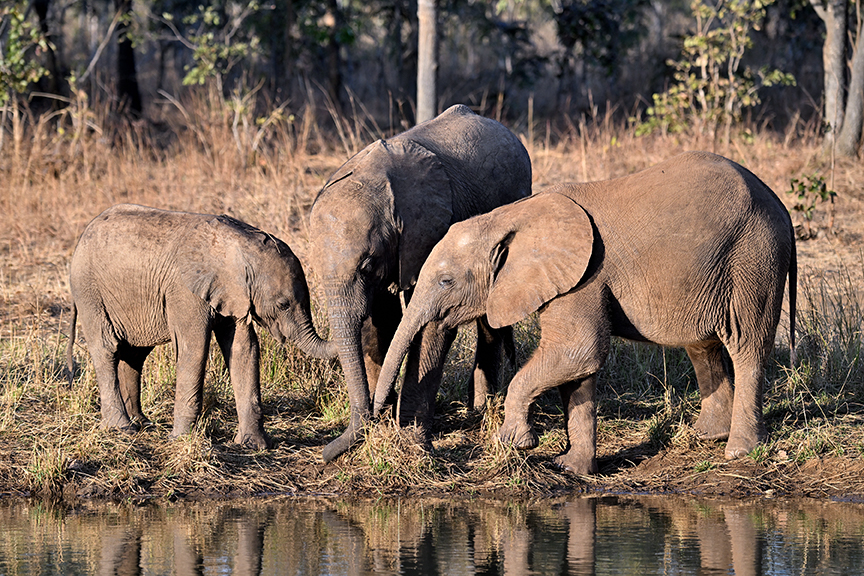
One of the most important ways elephants influence their environment is through their feeding behavior. Every day, they consume large amounts of grasses, leaves, bark, branches, and fruit. While feeding, they break branches, push over small trees, and open dense vegetation. These natural changes allow sunlight to reach the ground, encouraging new plants to grow and creating habitats for many other species.

Elephants are also remarkable seed dispersers. Many of the fruits they eat contain seeds that pass through their digestive system and are deposited far from the parent tree in nutrient-rich dung. This process helps forests regenerate and increases plant diversity across vast landscapes.

Water is another area where elephants play a vital role. During dry seasons, they use their tusks, feet, and trunks to dig for underground water. These water holes provide drinking sources not only for elephants but also for birds, antelope, reptiles, and many other animals that share the same habitat.

As elephants travel across large territories, they create trails through thick vegetation. These natural pathways are later used by countless wildlife species, making it easier for animals to move between feeding areas, water sources, and shelter.

Elephant dung also supports an entire community of life. It provides food for insects such as dung beetles, supplies nutrients that enrich the soil, and helps seeds germinate. In this way, even the waste elephants leave behind contributes to a healthy and productive ecosystem.

Because elephants influence forests, grasslands, water resources, and wildlife populations, scientists recognize them as a keystone species. Their presence helps maintain the balance of nature, and the loss of elephants can trigger changes that affect many other plants and animals.

Protecting elephants means protecting entire ecosystems. By ensuring that elephant populations can continue to thrive, we also safeguard forests, grasslands, biodiversity, and the countless species that depend on the habitats elephants help create.