
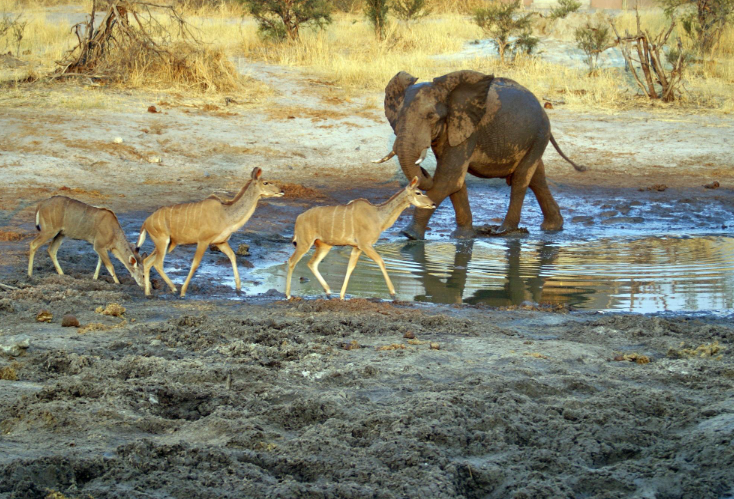
Elephants are known for having some of the strongest family bonds in the animal kingdom. Unlike many animals that separate as they grow older, female elephants usually remain with their mothers, sisters, daughters, and grandmothers throughout their lives. These close-knit family groups, led by an experienced matriarch, provide protection, guidance, and support that help every member survive.

The matriarch plays a vital role in the herd. She remembers the locations of water sources, feeding areas, and safe migration routes, especially during times of drought or environmental change. Her knowledge, gained over decades of experience, is passed down to younger generations, ensuring that the family can overcome challenges together.

Elephant families also share the responsibility of raising calves. Mothers receive help from aunts, older sisters, and even young females learning how to care for babies. This cooperative approach gives calves constant protection and allows them to develop important social and survival skills from an early age. As the calves grow, they learn by watching and interacting with every member of the herd.

Strong emotional connections are another reason elephant families remain together for life. They comfort one another during stressful situations, celebrate joyful reunions after long separations, and even appear to mourn the loss of family members. Their remarkable empathy and cooperation strengthen the entire herd and increase their chances of survival in the wild.

Protecting elephant families means protecting generations of knowledge, experience, and social bonds. By conserving their natural habitats and reducing threats such as habitat loss and poaching, we help ensure these extraordinary families can continue thriving together for years to come.