
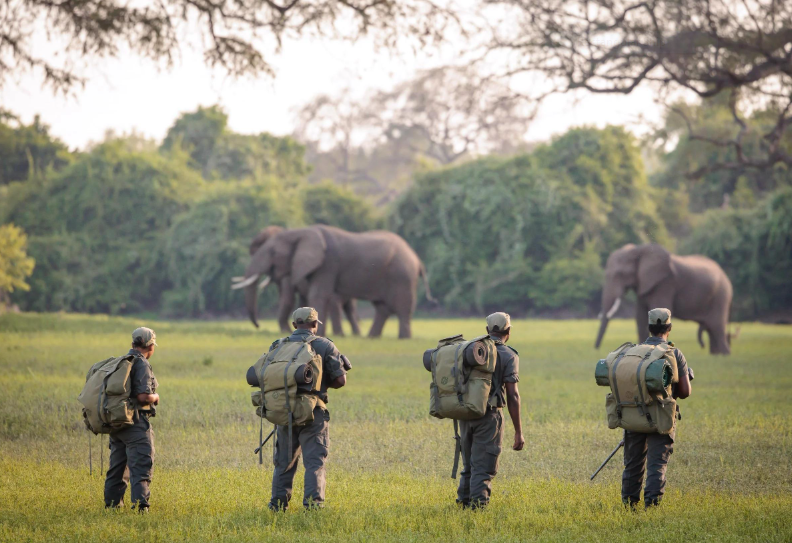

Elephants are among the most intelligent and emotional animals on Earth, but knowing facts about them is not enough to keep them safe. They need people who truly care and are willing to take action. Around the world, elephants face serious threats such as habitat loss, illegal hunting, human conflict, and harmful tourism.
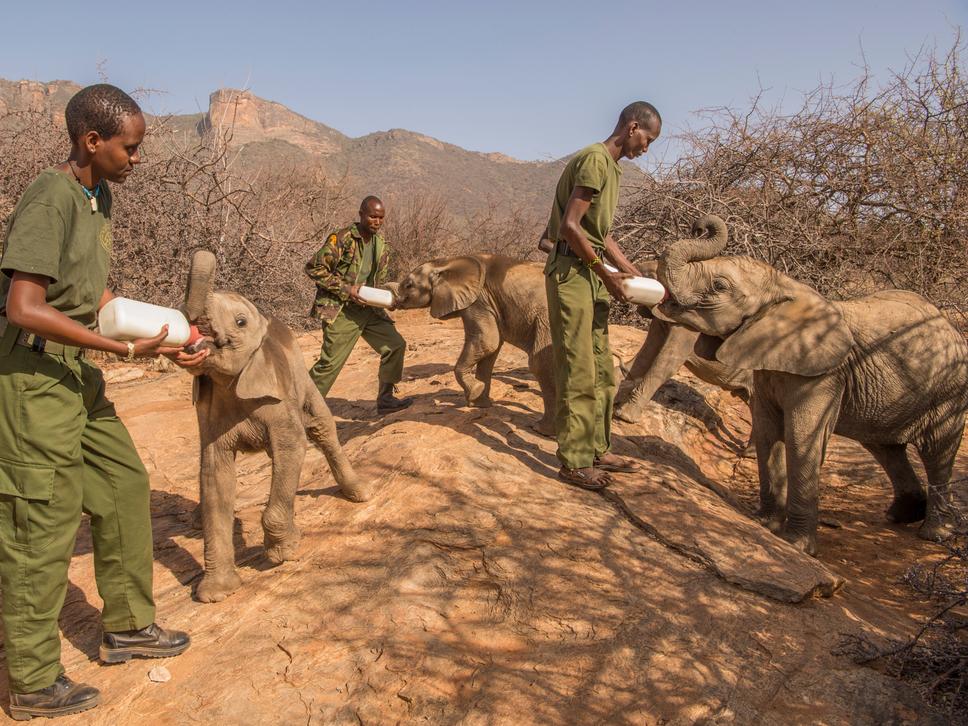
Scientists can study their behavior, migration, and communication, yet this knowledge only becomes meaningful when people use it to protect them. Caring can take many forms: supporting ethical wildlife sanctuaries, refusing to buy ivory, protecting forests and grasslands, educating communities, and donating to trusted conservation programs.

Local people are especially important because they share land and resources with elephants every day. When communities receive support, education, and fair economic opportunities, they are more likely to protect wildlife rather than see elephants as a danger.

People who care also understand that elephants are not objects for entertainment; they are social beings that form strong family bonds and can experience stress and grief. Protecting elephants therefore requires both science and compassion.

Knowledge shows us what elephants need, but caring gives us the motivation to act, change habits, and create a safer future for them before it is too late.