
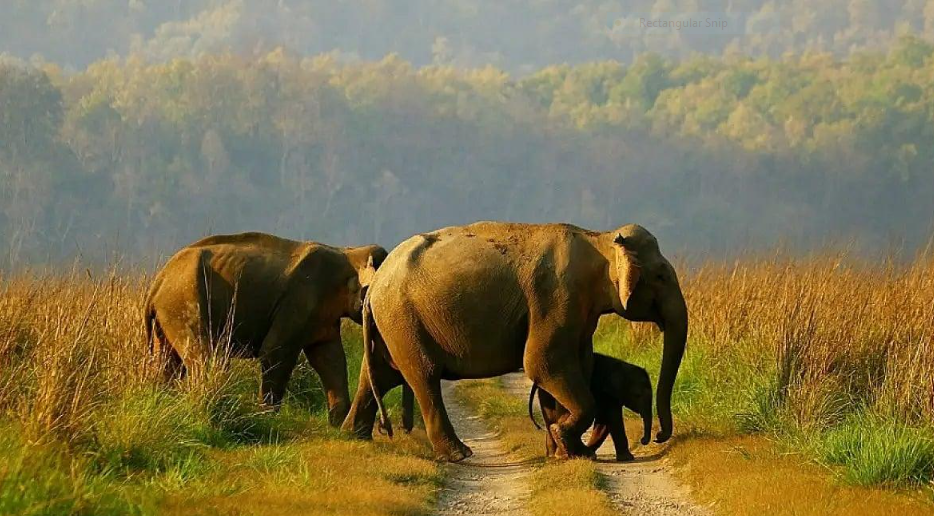
Protected areas such as national parks and wildlife reserves play a crucial role in elephant conservation, but they cannot protect elephants on their own. Elephants are highly mobile animals that naturally travel long distances in search of food, water, and suitable breeding areas. Many elephant populations move beyond the boundaries of protected parks, especially during dry seasons or periods of environmental change.

As a result, they often enter landscapes shared with people, including farms, villages, and transportation corridors. If conservation efforts focus only on protected areas, elephants may still face serious threats such as habitat loss, poaching, and human–elephant conflict once they leave these safe zones.

Effective elephant conservation requires a broader landscape approach. Protecting wildlife corridors that connect forests and reserves allows elephants to move safely between habitats while maintaining healthy genetic diversity. Sustainable land-use planning, community participation, and stronger law enforcement are also essential for reducing habitat fragmentation and preventing illegal wildlife trade.

Local communities play a particularly important role by supporting conservation initiatives, using non-lethal methods to protect crops, and helping monitor elephant populations. Governments, conservation organizations, and local people must work together to balance development with the needs of wildlife.

By expanding conservation beyond the borders of protected areas, we can create connected landscapes where elephants can thrive safely for generations to come. Long-term survival depends not only on protecting individual parks but also on safeguarding the ecosystems and migration routes that elephants have relied on for thousands of years.
