
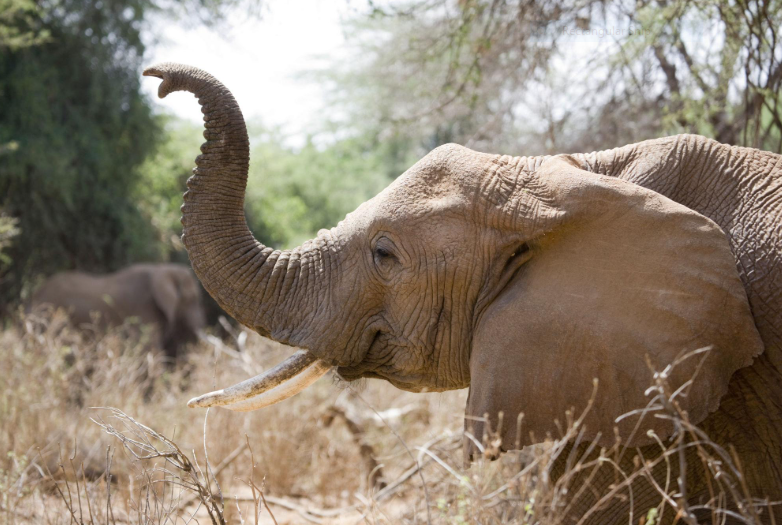
Yes, elephants have an extraordinary sense of smell that helps them locate water from remarkable distances. Their trunks contain one of the most advanced olfactory systems in the animal kingdom, allowing them to detect scents carried by the wind long before they reach a water source. In dry landscapes where rivers and ponds may disappear for months, this incredible ability plays a vital role in their survival.

Scientists believe elephants use a combination of smell, memory, and environmental cues to find water. Older elephants, especially experienced matriarchs, often remember the locations of seasonal waterholes and guide their herds across vast distances during droughts. Their knowledge, passed down through generations, can make the difference between life and death for young calves and the rest of the family.

An elephant's trunk is much more than a nose. It contains millions of scent receptors that help identify water, food, other elephants, and even potential dangers. By lifting their trunks into the air, elephants can sample scents carried by the breeze, allowing them to determine the direction of a distant water source. This remarkable adaptation enables them to thrive in some of the world's harshest environments.

Protecting natural water sources is essential for elephant conservation. As climate change and habitat loss continue to reduce access to freshwater, elephants must often travel farther in search of reliable supplies. Safeguarding wetlands, rivers, and migration corridors ensures these magnificent animals can continue using their natural instincts to survive. Their exceptional sense of smell is yet another reminder of how perfectly elephants have adapted to life in the wild—and why preserving their habitats is more important than ever.
