
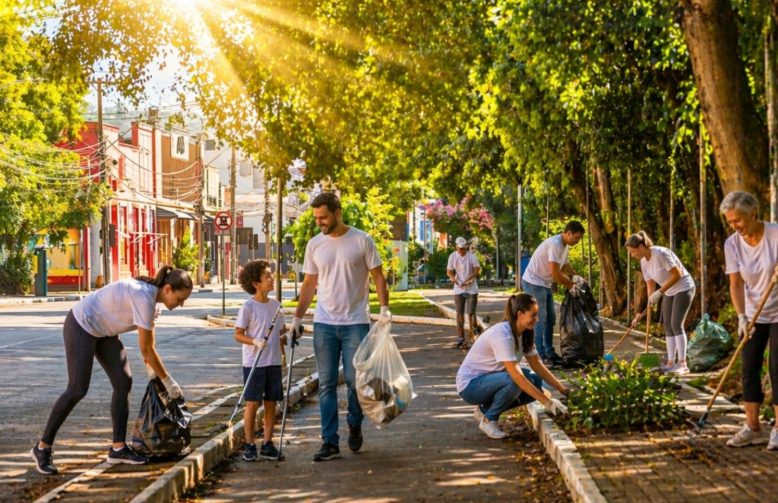
An individual may have good ideas and strong determination, but one person often has limited time, money, skills, and resources. In a community, different people can contribute different strengths. Some may have useful knowledge, while others can provide tools, money, or physical support.

Working together also helps people solve large problems more effectively. For example, cleaning a polluted river, helping families after a natural disaster, or improving a neighborhood would be very difficult for one person. However, when many people share the work, these tasks become easier and can be completed faster.

Communities also provide encouragement and motivation. When people see others making an effort, they are more likely to participate and continue working. Cooperation can also create new ideas because people can discuss problems and learn from one another.

In addition, communities have a stronger voice than individuals. A group of people can attract attention, influence decisions, and create lasting change. Therefore, teamwork, shared responsibility, and cooperation allow communities to accomplish goals that individuals often cannot achieve alone.