
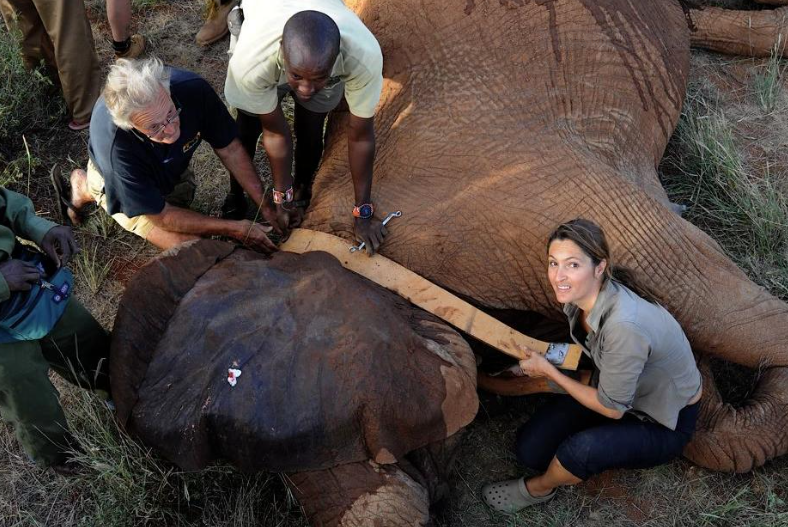
Conservation cannot succeed when people work alone. Protecting animals such as elephants requires cooperation between local communities, scientists, governments, wildlife organizations, and ordinary citizens. Each group has different knowledge and resources, and when they work together, they can solve problems more effectively.

Local communities are especially important because they live close to wildlife and understand the land. Scientists can provide research about animal behavior, habitats, and population changes. Governments can create laws and protected areas, while conservation organizations can provide funding, training, and support. When these groups communicate and trust one another, they can create stronger and longer-lasting solutions.

Connection also helps people understand why wildlife matters. Education and shared experiences can inspire more people to care about animals and nature. When people feel connected to a species or ecosystem, they are more likely to protect it.

In the end, conservation is not only about saving animals. It is also about building relationships between people and nature. By working together, sharing responsibility, and supporting one another, we can create a safer future for wildlife and for our planet.
