
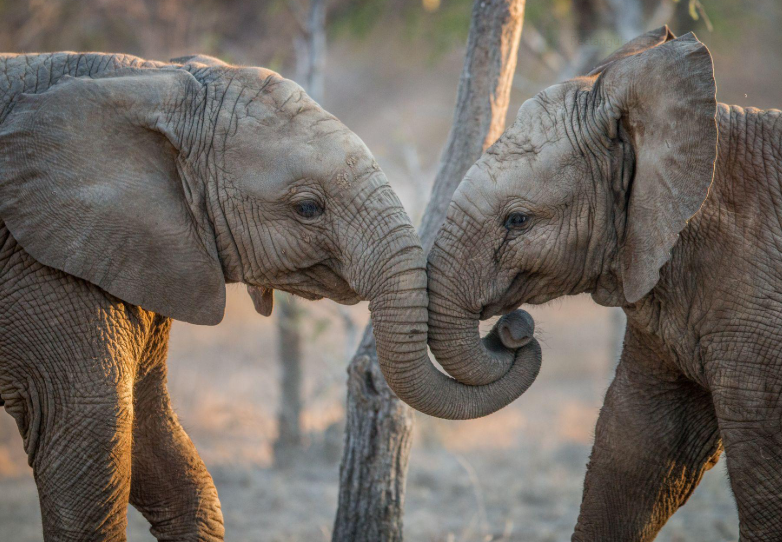
Elephants are among the most social animals on Earth, and research suggests they do form close, long-lasting friendships. While every elephant is part of a family herd, they often develop especially strong bonds with certain individuals. These companions spend more time together, travel side by side, feed near one another, and offer comfort during stressful situations.
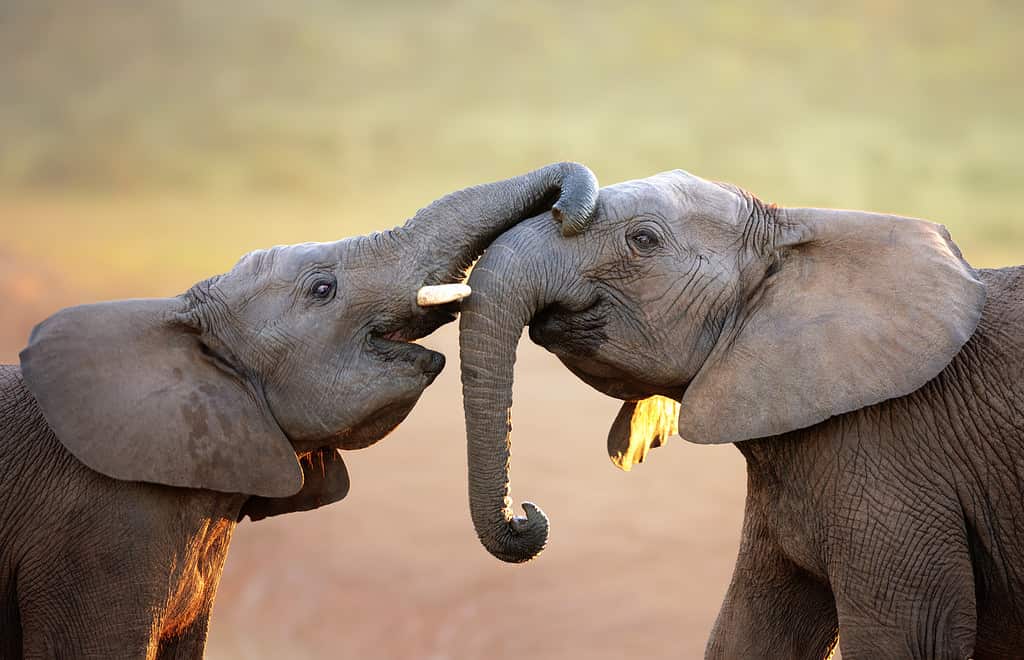
Female elephants usually build their closest friendships within their family groups. Sisters, cousins, and lifelong companions support each other by caring for calves, sharing responsibilities, and protecting one another from danger. These trusted relationships strengthen the entire herd and help young elephants grow up in a safe and supportive environment.

Male elephants also form meaningful friendships, especially after leaving their family herds as they mature. Young bulls often spend years with other males of a similar age, learning social skills, practicing gentle sparring, and exploring their surroundings together. Older bulls can also act as mentors, teaching younger elephants appropriate behavior and helping reduce conflict.

Scientists have observed that elephants greet close companions with enthusiastic behaviors such as touching trunks, flapping their ears, rumbling softly, and standing close together. They may also comfort distressed friends by gently touching them with their trunks or remaining nearby until they calm down. These actions suggest that elephants recognize and value their strongest social relationships.

Friendship plays an important role in elephant life. Close companions help reduce stress, improve cooperation, and increase the chances of survival for the entire group. By protecting elephant families and preserving their natural habitats, we also protect the lifelong friendships that make these remarkable animals one of the most socially connected species in the natural world.