
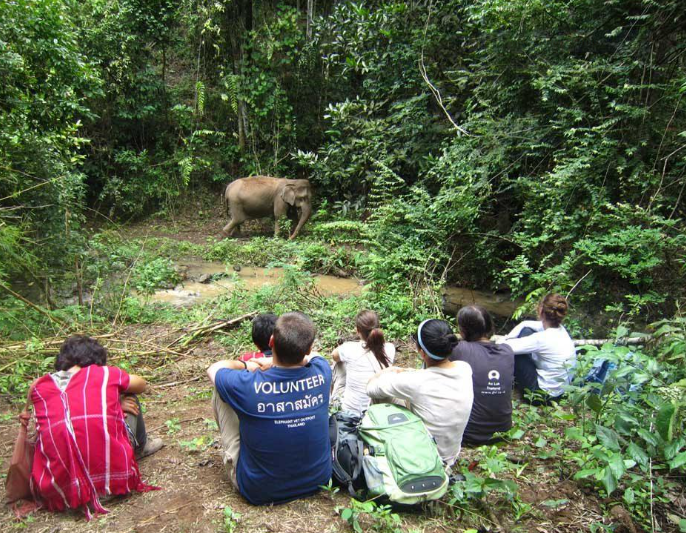
Stories about elephants can move across the world in seconds. We can read about them, see photographs from distant landscapes, and learn about the challenges wildlife faces without ever leaving home. But conservation becomes more meaningful when awareness encourages us to participate.
Following the story is an important beginning. Learning about elephants helps us understand that their lives are connected to much more than the individual animals we see in photographs. They belong to wider natural environments, and their future is inseparable from the health of the places they depend upon.
Yet knowledge can also invite action.

Becoming part of conservation does not necessarily require becoming a scientist or working directly with wildlife. People can contribute by learning from reliable sources, sharing responsible information, encouraging conversations about nature, and helping others understand why elephants and their habitats deserve protection.
Even small actions can create connections. A conversation with a friend may introduce someone to elephant conservation for the first time. A carefully shared story may encourage another person to learn more. Over time, individual moments of awareness can become part of a wider culture that values wildlife and respects the natural world.

Participation also means thinking carefully about how we tell wildlife stories. Elephants should not simply become images that attract attention and disappear from our minds moments later. Their stories can instead encourage curiosity about their lives, their environments, and our responsibilities toward nature.
There is room in conservation for many kinds of contribution. Scientific expertise and professional conservation work are essential, but a broader community of informed and compassionate people can help keep wildlife protection visible in everyday life.

At Elephant Rise, we believe the story of elephants should not end when we finish reading an article or close a photograph on our screens. It can continue through what we learn, what we share, and how we choose to care for the natural world.
The future of elephants is still being written. By turning awareness into thoughtful action, each of us can become part of a larger story—one in which elephants, wildlife, and the landscapes they call home continue to have a place for generations to come.
