
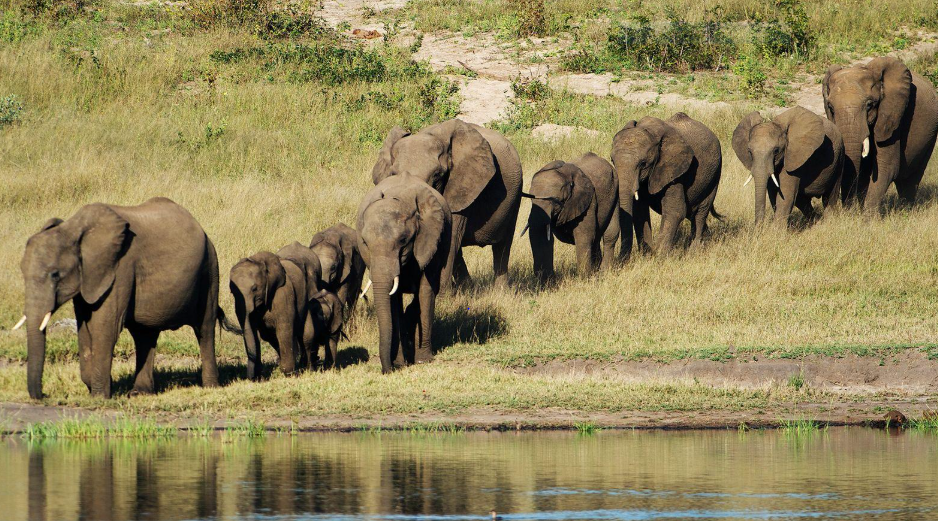
Every day, wild elephants set out on journeys that may cover many kilometers across forests, grasslands, and wetlands. Although their movements can appear effortless, the routes they follow are far from random. Each decision reflects a careful balance of experience, survival, and the changing conditions of the natural world.

Elephants rely on remarkable memories to navigate landscapes they may have traveled for decades. Older individuals, particularly experienced matriarchs in family herds, remember the locations of reliable water sources, seasonal feeding grounds, and safe pathways that have supported generations of elephants. This knowledge is passed on through daily travel, helping younger members of the herd learn the landscape as they grow.

The availability of food is one of the most important factors influencing where elephants go each day. As they browse on leaves, bark, grasses, and fruits, they continually adjust their movements to take advantage of changing vegetation. During different seasons, they may travel farther to reach areas where nutritious plants remain abundant.

Water is another essential guide. In dry periods, elephants often follow well-established routes leading to rivers, lakes, or hidden waterholes that they remember from previous years. Their ability to locate these resources can be vital not only for their own survival but also for the well-being of the entire herd.

Elephants also consider safety as they move through their environment. They often avoid steep terrain, difficult obstacles, or areas where disturbances are frequent. Instead, they tend to use familiar corridors that allow them to travel efficiently while reducing unnecessary risks.

Environmental conditions constantly shape these daily journeys. Rainfall, drought, temperature, and seasonal changes all influence where food and water can be found. As the landscape changes, elephants adapt their travel patterns while still relying on their extraordinary memory to connect important locations.

Scientific research using GPS tracking has revealed that elephants repeatedly use traditional migration routes that have existed for generations. Protecting these natural corridors is essential because they connect feeding areas, water sources, breeding habitats, and resting places across vast landscapes.

At Elephant Rise, we believe that every journey an elephant takes tells a story of intelligence, resilience, and deep connection with nature. By protecting the habitats and migration corridors that elephants depend upon, we help ensure they can continue following these ancient paths safely for generations to come.