
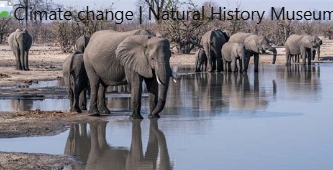

These longer journeys require more energy and often bring elephants closer to farms and villages, increasing the risk of conflict with people. Scientists warn that climate change is expected to intensify these pressures in many elephant range areas over the coming decades.


The effects of climate change extend beyond food and water shortages. Extreme weather events, such as prolonged droughts and severe floods, can damage habitats and reduce the availability of plants that elephants rely on throughout the year. Young calves and older elephants are especially vulnerable during periods of environmental stress.
At the same time, shrinking natural habitats can isolate elephant populations, making it harder for them to move safely between protected areas and maintain healthy genetic diversity. These combined challenges threaten the long-term resilience of elephant populations.
Protecting elephant habitats is an important part of addressing climate change. Restoring forests, conserving wetlands, and safeguarding wildlife corridors help elephants adapt to changing environmental conditions while supporting many other species. Sustainable land management and community-based conservation also strengthen ecosystems that store carbon and provide clean water.
By working together to reduce habitat loss and protect nature, we can give elephants a better chance to thrive in a changing world while creating healthier landscapes for both wildlife and people.