
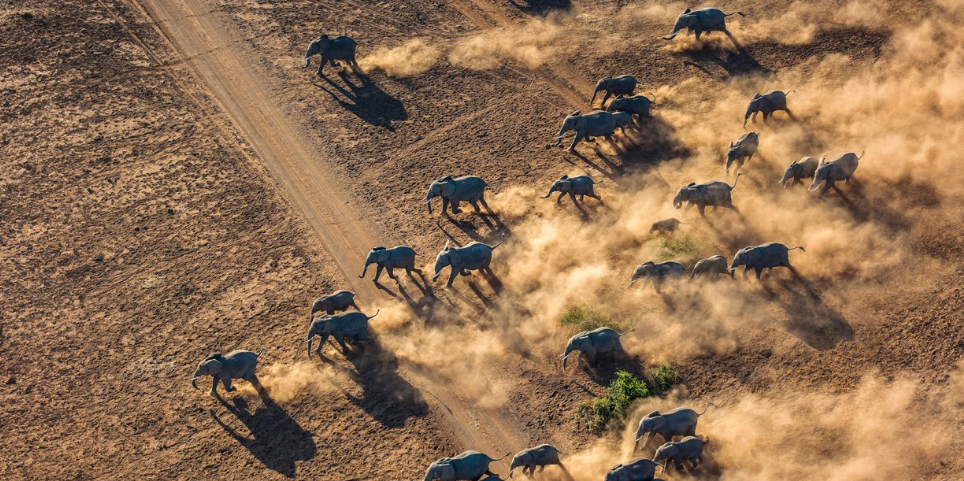
Climate change is reshaping elephant migration by altering the natural patterns of rainfall, drought, food, and water that herds have followed for generations. Elephants depend on seasonal movement to find fresh vegetation, rivers, wetlands, and reliable waterholes, but rising temperatures and increasingly unpredictable weather are making these resources harder to locate.

In some areas, longer droughts are drying up traditional water sources, while changing rainfall patterns are causing plants to grow in new places and disappear from familiar ones. As a result, elephants may need to travel farther and spend more energy searching for the food and water they need to survive.

These longer journeys can bring them into closer contact with farms, roads, settlements, and other human developments that block or narrow traditional migration routes. When elephants enter agricultural areas in search of food or water, the risk of human–elephant conflict can increase, creating challenges for both wildlife and local communities.

Protecting connected habitats and wildlife corridors is therefore becoming more important as climate conditions continue to change. These safe pathways allow elephants to move between protected areas, reach essential resources, and avoid dangerous barriers.
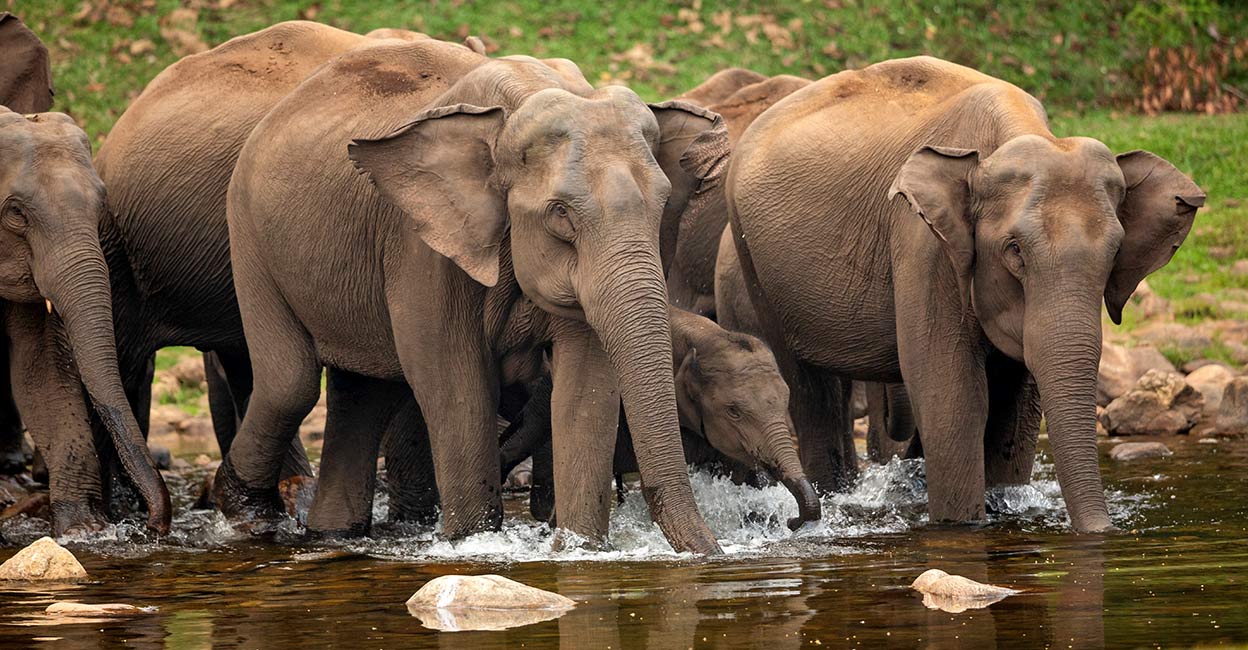
Researchers also use field observations and tracking technology to understand how elephant movements are shifting over time. This information can help conservationists identify important habitats and develop better strategies for coexistence.

Climate change is placing growing pressure on elephants, but protecting migration routes, restoring ecosystems, and supporting local communities can help these remarkable animals adapt. By caring for the landscapes they depend on, Elephant Rise helps protect not only elephants but also the wider web of life connected to their journeys.