
Understanding how many elephants remain in the wild is essential for protecting their future. Accurate population estimates help conservationists monitor trends, identify threats, and develop strategies to safeguard these iconic animals and the habitats they depend on.

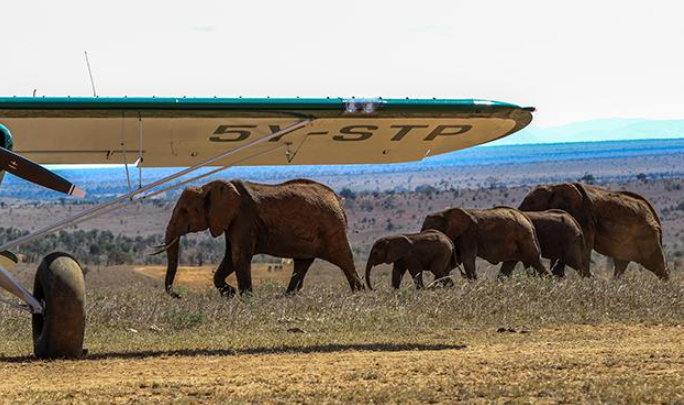
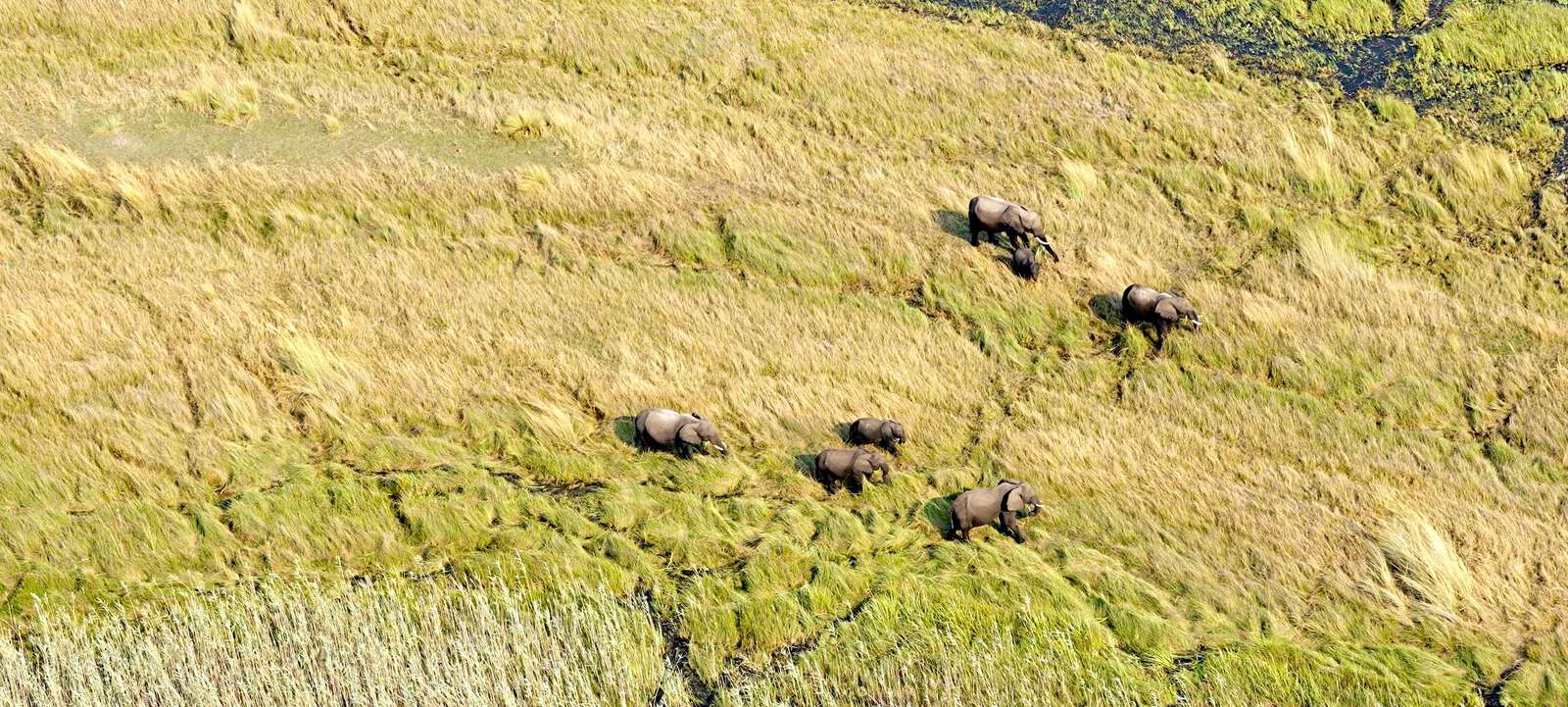
Scientists use several methods to count wild elephant populations, depending on the landscape and the species being studied. In open savannas, researchers often conduct aerial surveys, flying over protected areas to record elephant sightings across large landscapes. These surveys provide valuable data on population size and distribution.

In dense tropical forests, where elephants are difficult to see, conservationists rely on different techniques. Camera traps placed along animal trails capture images of elephants without disturbing them, while DNA analysis of dung samples helps estimate population numbers and genetic diversity. Researchers also use acoustic monitoring to detect elephant calls and movements within thick rainforest vegetation.

Modern technology has made elephant surveys more accurate than ever. GPS tracking collars, drones, satellite imagery, and artificial intelligence allow scientists to monitor elephant movements, identify important habitats, and analyze vast amounts of data more efficiently. These tools improve conservation planning while minimizing disturbance to the animals.
Population surveys are not simply about counting elephants—they reveal how populations are changing over time and help identify areas where protection is most urgently needed. Reliable data also supports governments, conservation organizations, and local communities in making informed decisions that benefit both wildlife and people.
At Elephant Rise, we believe that every elephant counted represents another opportunity to protect a species that shapes ecosystems across Africa and Asia. Through science, collaboration, and long-term conservation efforts, we can help ensure that wild elephant populations continue to thrive for generations to come.