
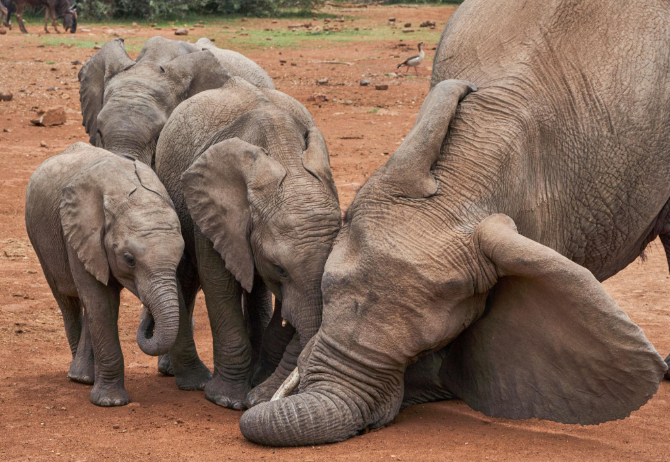
Wildfires can dramatically change a forest, destroying vegetation, altering habitats, and leaving behind scorched landscapes. While recovery may seem slow, elephants play an important role in helping forests regenerate. As they move through burned areas, these gentle giants contribute to the natural process of restoring life to damaged ecosystems.

One of the most valuable ways elephants support forest recovery is through seed dispersal. They eat a wide variety of fruits and vegetation, and many seeds pass safely through their digestive system before being deposited in nutrient-rich dung. This natural fertilizer gives young plants a better chance to grow, helping new trees and shrubs establish themselves in areas affected by fire.

Elephants also create space for new vegetation by clearing fallen branches and dead plants with their powerful trunks and feet. Their movements open pathways that allow sunlight to reach the forest floor, encouraging fresh grasses, flowers, and tree seedlings to thrive. At the same time, the trails they create make it easier for other animals to return to recovering habitats in search of food and shelter.

Healthy forests depend on countless natural interactions, and elephants are among the species that help keep these ecosystems resilient. As climate change increases the frequency and intensity of wildfires in many parts of the world, protecting elephant populations becomes even more important. By conserving these remarkable animals and the forests they inhabit, we support nature's own ability to recover, ensuring that damaged landscapes can once again become thriving homes for wildlife and future generations.
