
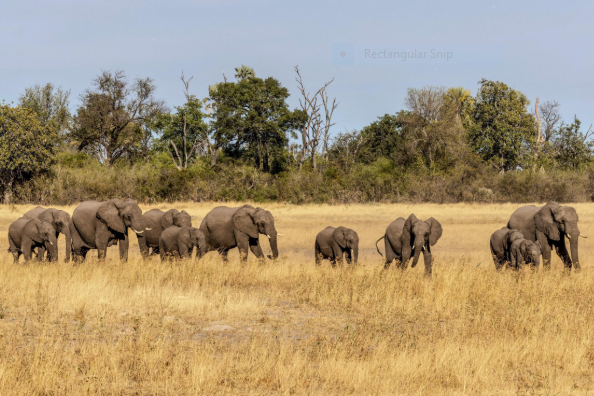

Elephants are often celebrated as the world's largest land mammals, but they also play another remarkable role in nature—as gardeners of the forest and savanna. Every day, these gentle giants help shape healthy ecosystems by spreading the seeds of hundreds of plant species across vast landscapes. Their movements support forest regeneration, increase biodiversity, and create opportunities for new life to flourish.

As elephants feed on fruits, leaves, bark, and grasses, they swallow countless seeds along with their meals. Many of these seeds pass safely through the elephant's digestive system without being damaged. In fact, the digestive process can even improve the seeds' ability to germinate by softening their outer coating. When elephants later deposit the seeds in nutrient-rich dung, they provide an ideal environment for young plants to begin growing.

Because elephants travel long distances each day, they carry seeds far beyond the parent plant. This natural seed dispersal reduces competition between young seedlings and mature trees while helping forests recover after disturbances. Some large tropical tree species depend almost entirely on elephants and other large mammals to transport their seeds, making elephants essential partners in maintaining healthy forests.

The benefits extend well beyond plants. As new trees and shrubs grow, they provide food and shelter for birds, insects, primates, and countless other wildlife species. In this way, every elephant contributes to a thriving web of life that supports entire ecosystems.

Protecting elephants means protecting one of nature's most effective methods of forest regeneration. By conserving elephant populations and the habitats they roam, we help ensure that forests continue to grow, biodiversity remains strong, and future generations inherit healthier, more resilient ecosystems.