
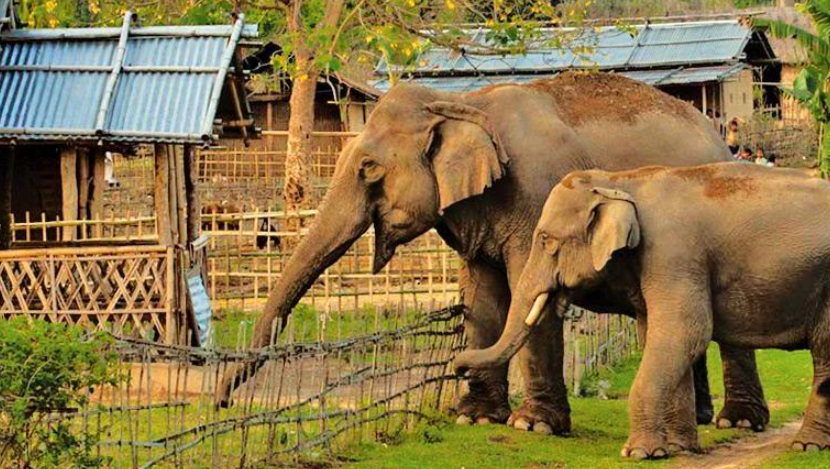
People and elephants have shared the same landscapes for thousands of years, but growing human populations and shrinking natural habitats have increased the chances of conflict. When forests are cleared or wildlife corridors disappear, elephants may enter farmland in search of food and water. This can damage crops and threaten the safety of both farmers and wildlife. Fortunately, many communities are finding practical ways to reduce these conflicts while protecting elephant populations.
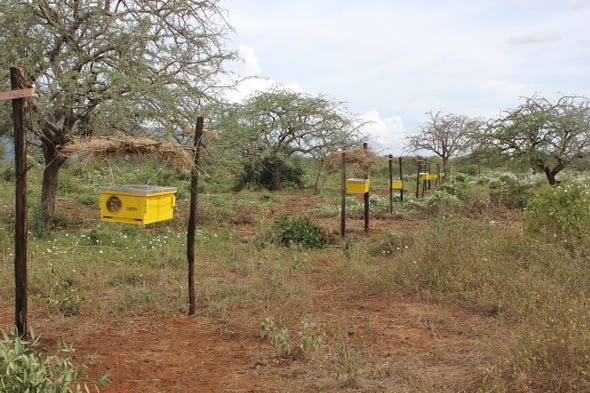
One successful approach is the use of beehive fences. Elephants naturally avoid bees, so hanging beehives around the edges of farms can discourage them from entering crop fields. These fences also provide farmers with honey, creating an additional source of income.

Other effective solutions include restoring wildlife corridors, planting crops that elephants are less likely to eat, installing early-warning systems, and improving land-use planning so farms and elephant habitats are better separated. Studies have shown that well-maintained beehive fences can significantly reduce crop-raiding by elephants.

Long-term coexistence depends on cooperation between local communities, conservation organizations, and governments. By combining science, traditional knowledge, and sustainable farming practices, it is possible to protect livelihoods while ensuring elephants have safe routes to food, water, and breeding areas.

When people work together to respect both nature and human needs, farmers and elephants can share the landscape more peacefully, creating a healthier future for wildlife and future generations.
