
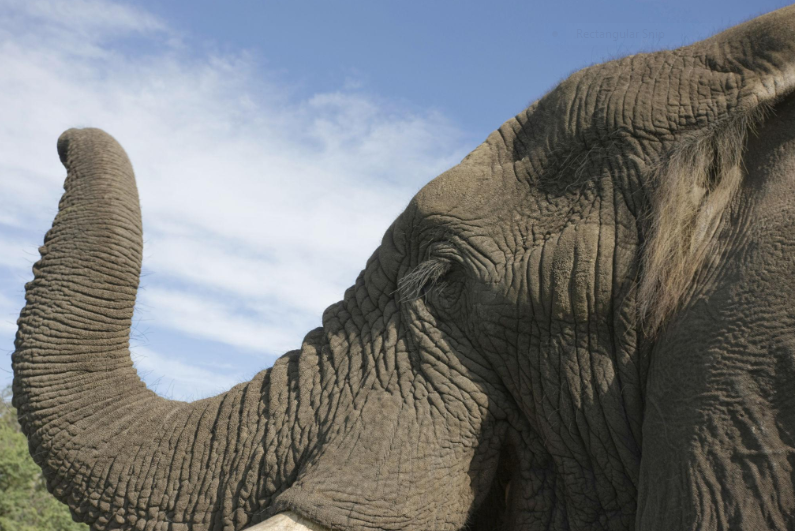
An elephant's sense of smell is one of the most powerful in the animal kingdom. In fact, scientists believe elephants have more smell-related genes than any other known mammal, giving them an extraordinary ability to detect scents in their environment. Their remarkable noses help them find food, locate water, recognize family members, and avoid potential dangers, making smell one of the most important senses for their survival.

An elephant's trunk is both a nose and a highly skilled tool. It contains millions of scent receptors that allow elephants to identify different plants, detect predators, and even recognize the scent of other elephants from long distances. By raising their trunks into the air, they can catch odors carried by the wind and determine where the scent is coming from. This behavior helps herds navigate vast landscapes and locate valuable resources.

Smell also plays an important role in elephant communication. Elephants can recognize individual members of their family through scent and detect chemical signals that reveal information such as age, health, and reproductive status. Mothers and calves strengthen their bond by frequently touching and smelling one another, while herds use scent to stay connected even when they are out of sight.

As habitats continue to change due to human activity and climate change, an elephant's exceptional sense of smell remains one of its greatest survival tools. Whether searching for fresh water during a drought or finding nutritious plants across large distances, this remarkable ability helps elephants adapt to challenging environments. Protecting their natural habitats ensures they can continue relying on this extraordinary sense, allowing future generations of elephants to thrive in the wild.
