
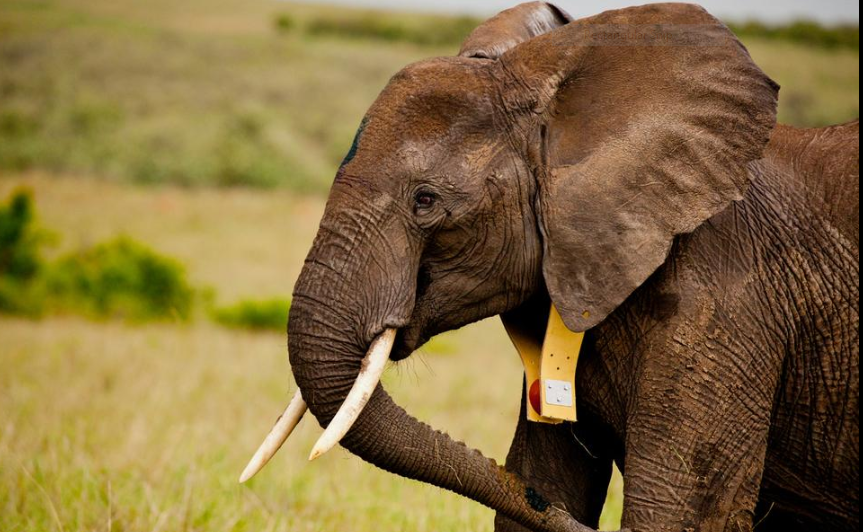
Every elephant is unique, much like a human fingerprint. While elephants may appear similar at first glance, scientists can distinguish individuals by carefully observing their physical features, behavior, and movements. Identifying each elephant is essential for monitoring populations, understanding family relationships, and developing effective conservation strategies.
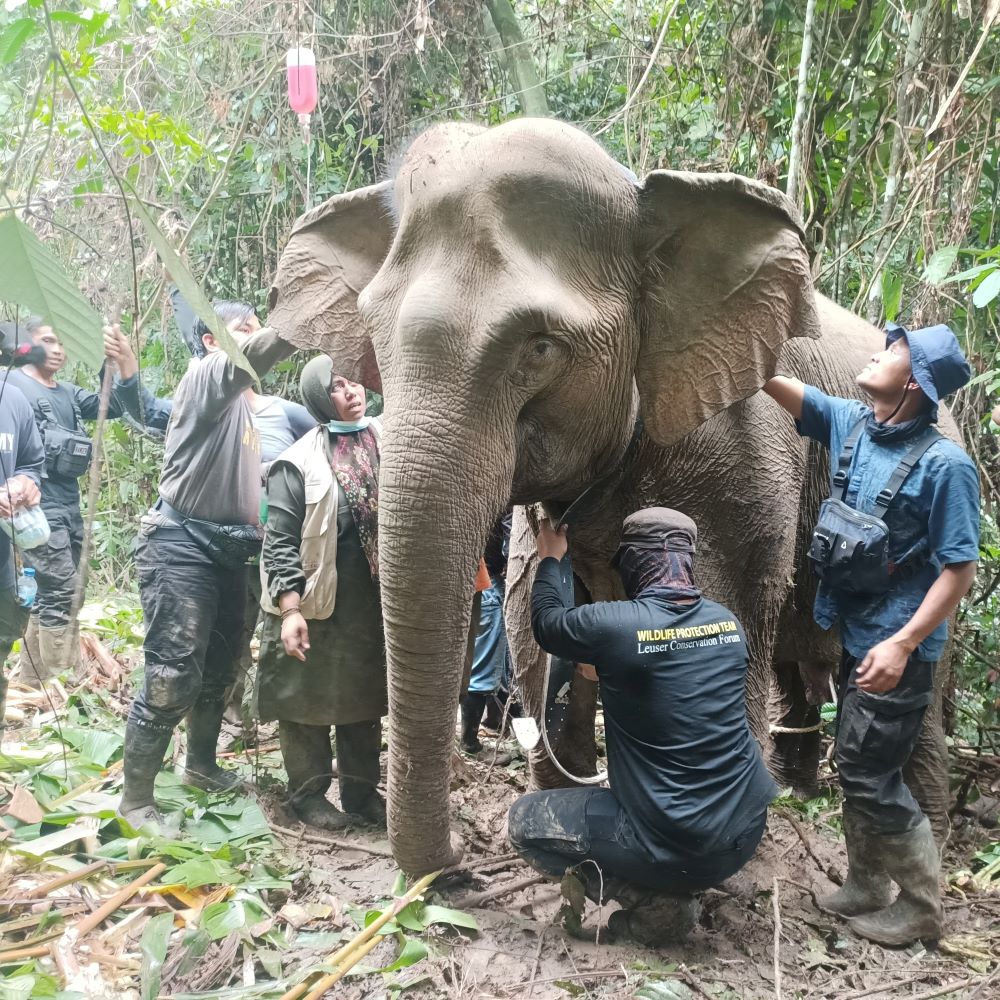
One of the most common identification methods is photo identification. Researchers compare photographs of an elephant's ears, which often have distinctive tears, holes, and vein patterns. Tusk shape, length, and angle also provide valuable clues, while scars, tail hair, and skin markings help confirm an individual's identity.

Modern technology has transformed elephant research. Camera traps placed along wildlife trails capture images of elephants without disturbing them, allowing scientists to recognize familiar individuals over time. In some conservation areas, artificial intelligence assists researchers by analyzing thousands of photographs and matching unique physical characteristics more quickly than manual observation.

GPS tracking collars also provide valuable information about elephant movements, migration routes, and habitat use. Combined with DNA analysis from dung samples, these tools help researchers study family groups, estimate population sizes, and monitor genetic diversity without harming the animals.
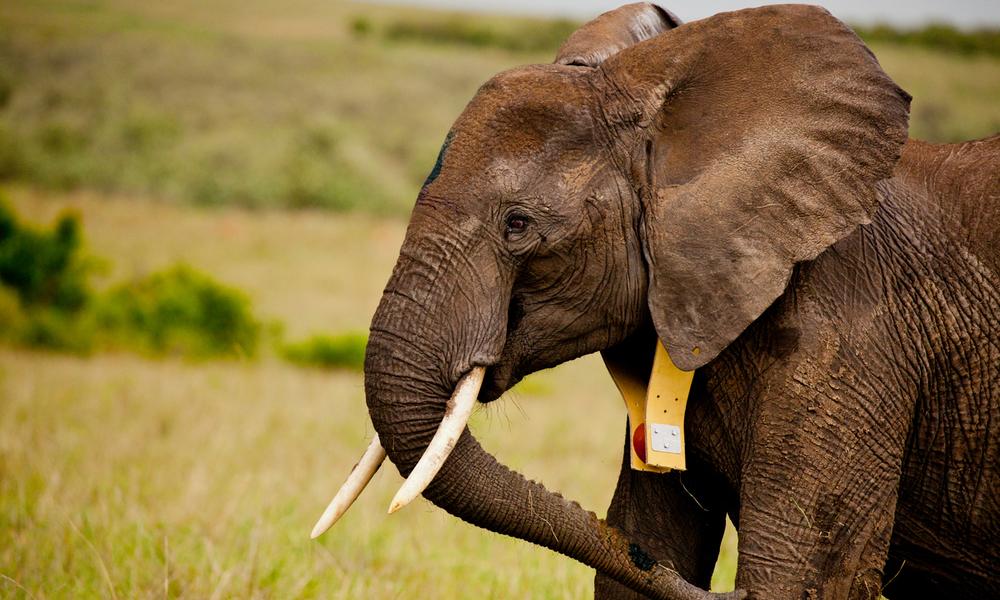
Accurately identifying individual elephants allows conservationists to better understand their lives, protect important habitats, and respond more effectively to threats such as poaching and habitat loss.
At Elephant Rise, we believe that every elephant has its own story. By supporting scientific research and innovative conservation techniques, we can deepen our understanding of these remarkable animals and help ensure they continue to thrive in the wild for generations to come.