
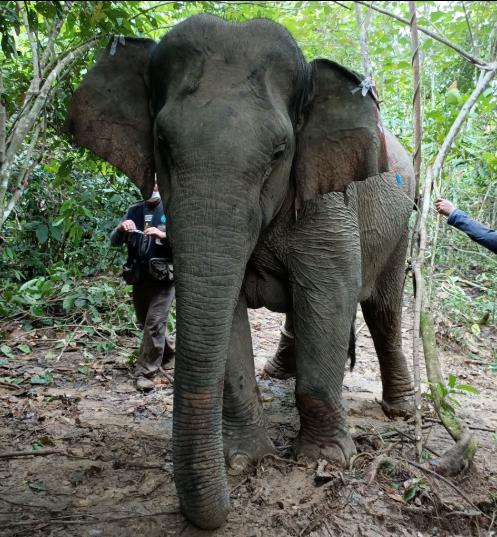
Scientists study wild elephants to better understand their behavior, movements, and habitat needs, but they do so with great care to avoid disrupting the animals' natural lives. By using modern technology and non-invasive research methods, conservationists can gather valuable information while allowing elephants to behave as they would in the wild. This knowledge plays an important role in protecting elephant populations and the ecosystems they inhabit.
One of the most effective tools for tracking elephants is GPS satellite collars. Carefully fitted by trained wildlife professionals, these collars record an elephant's location at regular intervals and transmit the data to researchers. This allows scientists to monitor migration routes, identify important feeding and watering areas, and understand how elephants respond to seasonal changes without having to follow them closely on foot.

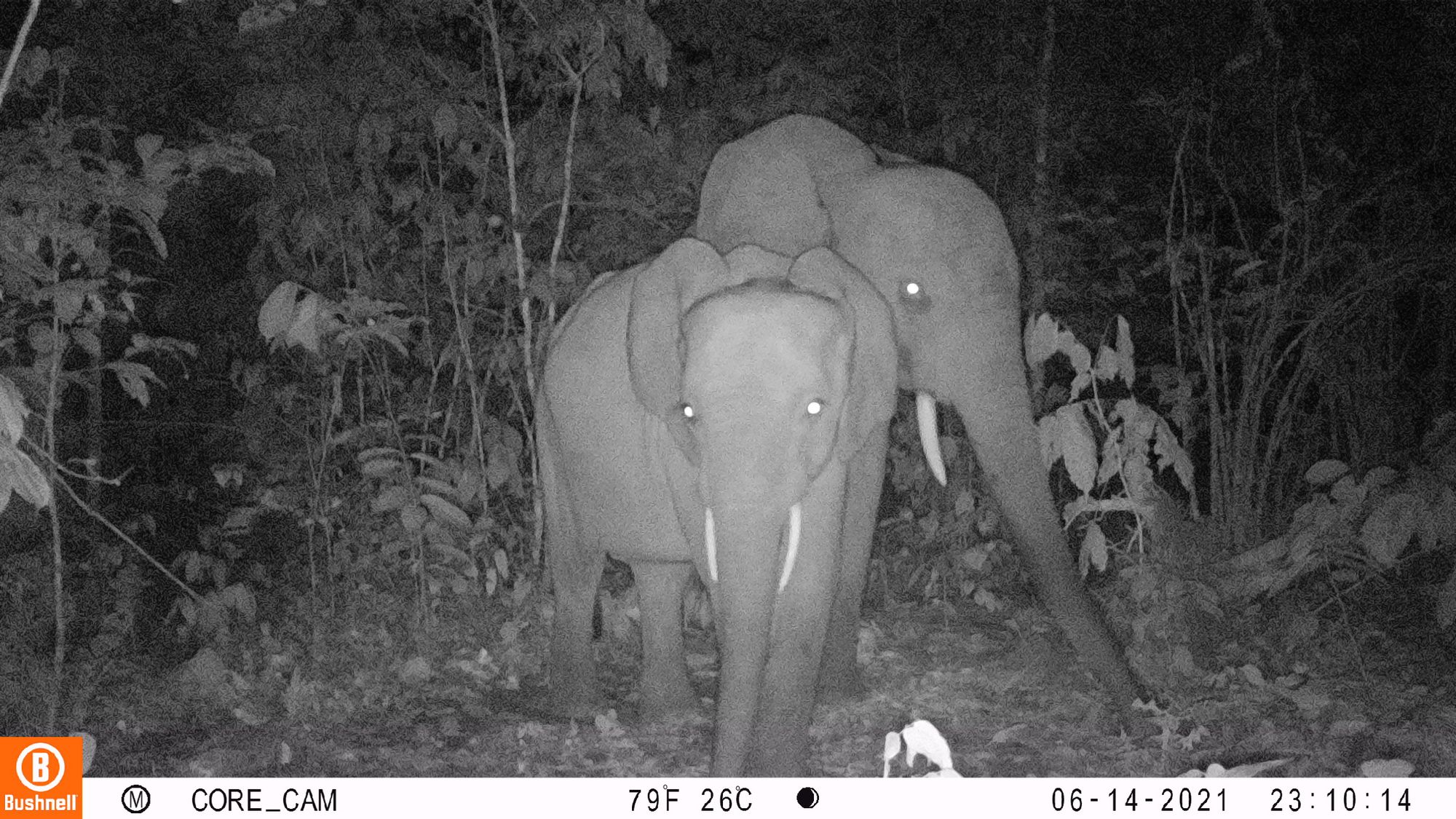
Researchers also rely on camera traps placed along wildlife trails, waterholes, and forest paths. These motion-activated cameras capture photographs and videos whenever an elephant passes by, providing valuable insights into herd size, behavior, and activity patterns. Because the cameras operate silently and automatically, they cause little or no disturbance to wildlife.

Another important method involves studying elephant footprints, dung, and feeding signs left behind in the environment. These natural clues can reveal where elephants have traveled, what they have eaten, and even provide DNA samples that help scientists estimate population size and genetic diversity. Collecting this information allows researchers to learn about elephants without making direct contact.

In some regions, scientists use drones to survey large landscapes and monitor elephant movements from a safe distance. Drones can help locate herds in remote areas, assess habitat conditions, and support conservation efforts while minimizing the need for vehicles or close human presence. Combined with satellite imagery and geographic mapping technology, these tools provide a broader understanding of how elephants use their habitats over time.
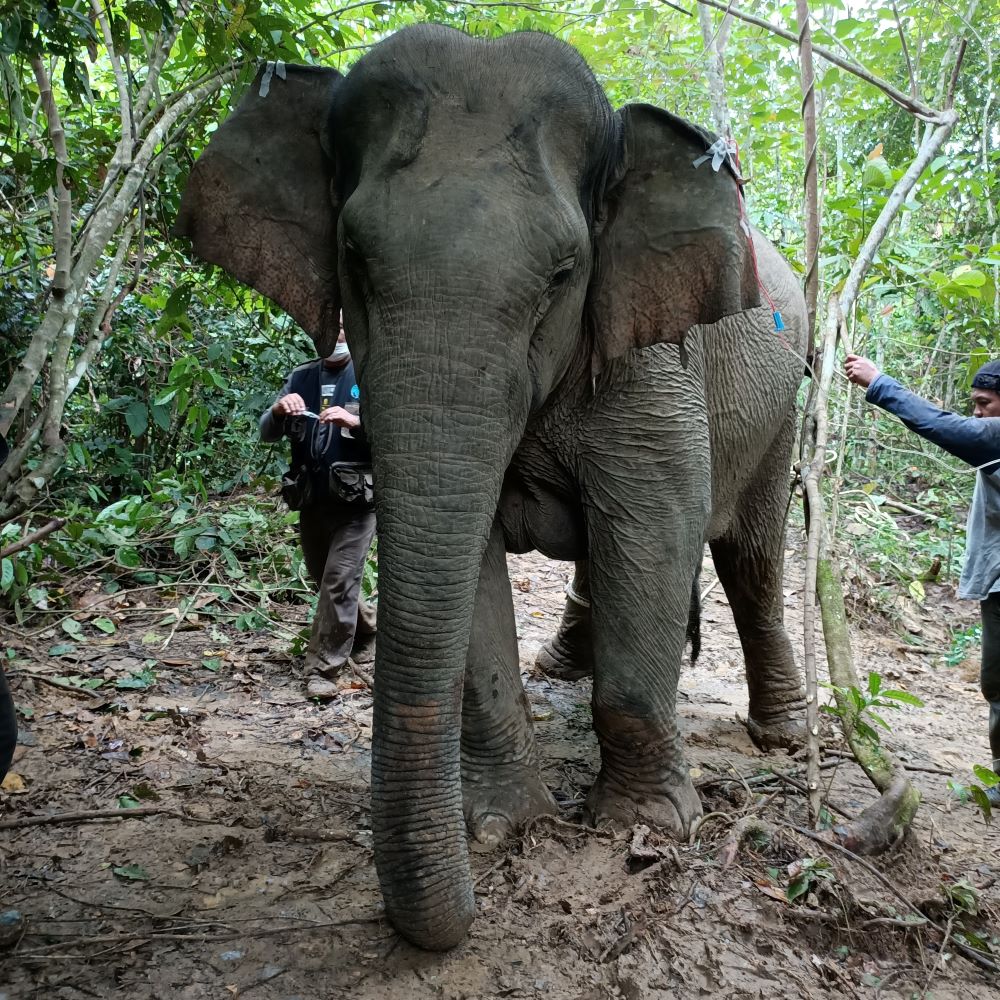
The information collected through these methods helps conservationists identify critical habitats, protect migration corridors, reduce human–elephant conflict, and develop effective management strategies. By understanding where elephants travel and the challenges they face, conservation organizations can make better decisions to safeguard both wildlife and local communities.
At Elephant Rise, we believe that protecting elephants begins with understanding them. By supporting ethical, non-invasive research and habitat conservation, we can help ensure that wild elephants continue to roam freely while scientists gain the knowledge needed to secure their future.