
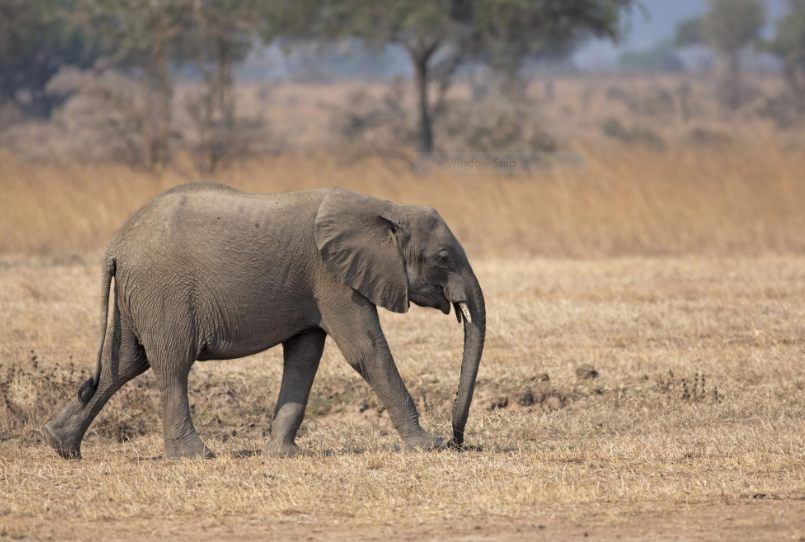
Elephants are widely recognized for their intelligence, remarkable memories, and complex social lives. Among their many fascinating behaviors is the ability to use simple tools in the wild. Although they do not create tools in the same way humans do, elephants have repeatedly demonstrated that they can select and use natural objects to solve everyday challenges.

One of the most common examples of tool use involves branches and sticks. Elephants may break off leafy branches and use them to swat away flies and other biting insects. By modifying the branch to make it easier to handle, they show a level of problem-solving that reflects thoughtful interaction with their environment.

During hot weather, elephants also use natural materials to protect themselves. They frequently gather dust, sand, or mud with their trunks and spray it across their bodies. This behavior helps cool their skin, shields them from the sun, and discourages insects from landing on them.

In some habitats, elephants have been observed placing branches or logs over waterholes before drinking. This may help improve footing in muddy areas or cover water for later use, although scientists continue to study the purpose of these behaviors in different environments.

Elephants are also known to move obstacles that block their paths. They may push fallen trees aside, roll large rocks away, or reposition branches to create easier routes through dense vegetation. Rather than forcing their way forward, they often adapt the landscape to make travel more efficient.

Young elephants learn many of these behaviors by watching experienced adults. Through observation and practice, calves gradually discover how to use their trunks with remarkable precision and how to respond creatively to challenges they encounter in the wild.

Researchers continue to study elephant tool use because it offers valuable insight into animal intelligence, learning, and adaptation. Each new observation strengthens our understanding of the sophisticated ways elephants interact with the natural world.
At Elephant Rise, we believe every discovery about elephant behavior reminds us how extraordinary these animals truly are. By protecting their natural habitats, we ensure that future generations of elephants can continue expressing the remarkable skills and behaviors that have evolved over thousands of years.