
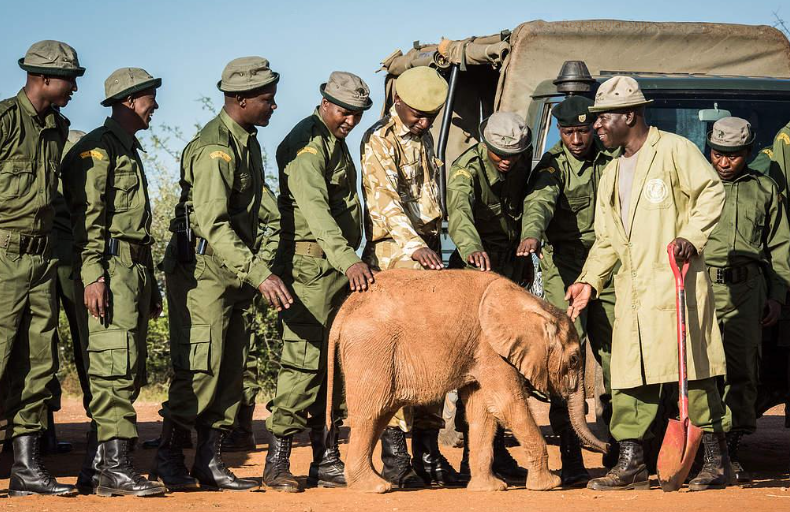
Scientists can study wildlife. Rangers can patrol protected areas. Conservation organizations can restore habitats, rescue animals, and fight against the threats facing endangered species.
But none of them can protect wildlife alone.
The challenges are simply too large. Habitat loss, illegal hunting, climate change, and human–wildlife conflict affect ecosystems across countries and continents. Protecting nature therefore requires something bigger than any single organization.

It requires all of us.
A scientist may provide the knowledge.
A ranger may provide protection.
A conservationist may provide experience.
But communities provide the strength to turn those efforts into a movement.

You do not need to work in a national park to make a difference. You can share reliable information, support conservation projects, teach others about wildlife, participate in community activities, or simply encourage another person to care.
One action may seem small. But when thousands of people act together, those actions become powerful. When millions participate, they can create the awareness, resources, and public support needed to protect wildlife for generations.
This is why we believe conservation must become a shared mission.

Scientists and rangers can lead the work on the ground, but a global community can stand behind them and help that work grow stronger.
Wildlife protection is not a mission for a few people. It is a responsibility we can all share.
Together, we can give conservation something no individual can create alone:
the power of millions working toward the same future.
