
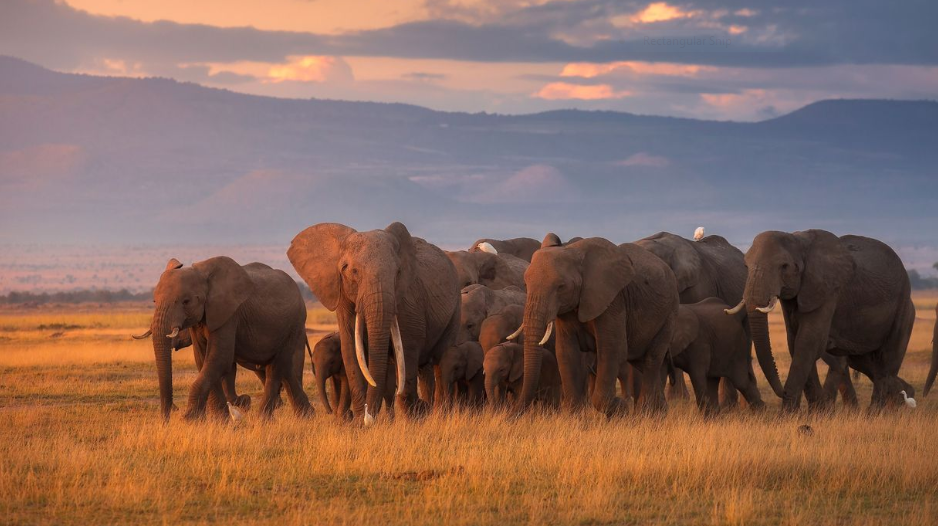
Elephants are among the most intelligent and emotional animals on Earth. They live in close family groups, care for their young, and can even show signs of grief when another elephant dies. However, elephants today face many serious threats, including habitat loss, illegal hunting, and conflicts with humans.

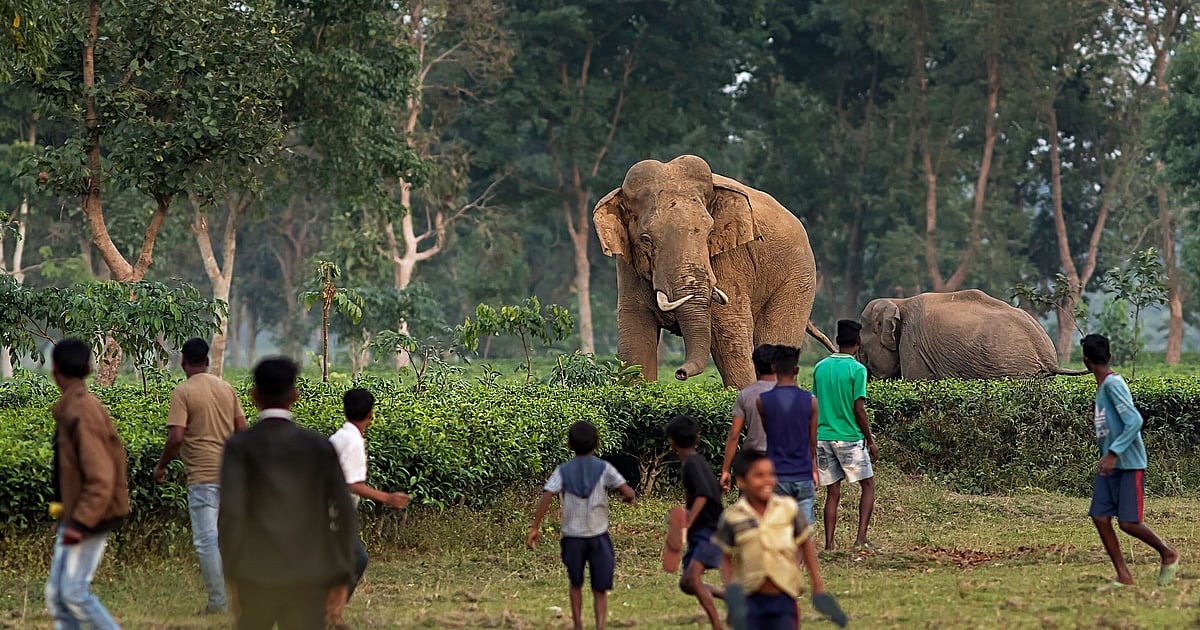
One of the biggest problems is the loss of natural habitat. As cities, farms, and roads expand, elephants have less space to live and find food. In some areas, elephants enter villages or farms because their traditional habitats have disappeared. This can create conflict between local communities and wild elephants.

Illegal hunting is another major threat. For many years, elephants have been killed for their ivory tusks. Although international efforts have reduced the ivory trade in some places, poaching still exists. Protecting elephants requires strong laws, better wildlife monitoring, and cooperation between governments and local communities.
But elephant conservation is not only the responsibility of scientists or wildlife organizations. Ordinary people can also make a difference. We can learn about elephants, support responsible conservation projects, avoid buying products made from ivory, and share accurate information with others.

Education is especially powerful. When you tell a child, a student, a friend, or a family member why elephants are important, you may inspire them to care about wildlife. That person may later become a teacher, researcher, veterinarian, conservationist, or simply someone who chooses to protect animals.

Sometimes, one conversation can create a much bigger impact than we expect.
The next elephant advocate could be someone you inspire today.