
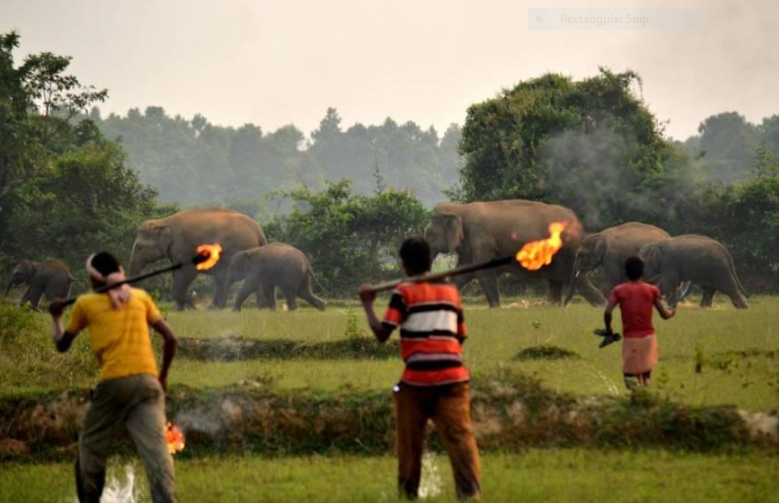
Human–elephant conflict occurs when people and elephants compete for the same land and natural resources. As forests are cleared for agriculture, roads, and expanding settlements, elephants often lose access to their traditional habitats and migration routes. In search of food and water, they may enter farms or villages, where they can damage crops, destroy property, or pose risks to people. These encounters can lead to injuries or deaths for both humans and elephants, making coexistence a major conservation challenge.

The effects of human–elephant conflict extend beyond physical damage. Farmers may lose an entire season’s harvest, threatening their income and food security. At the same time, elephants can be injured or killed in retaliation, reducing already vulnerable populations. Habitat fragmentation, climate change, and increasing human activity continue to intensify these conflicts in many parts of Africa and Asia. Finding a balance between protecting wildlife and supporting local communities is therefore essential for long-term conservation.

Many successful solutions focus on coexistence rather than separation. Wildlife corridors help elephants travel safely between habitats, while early warning systems, stronger land-use planning, and community education reduce the risk of dangerous encounters. In some regions, farmers also use beehive fences, watchtowers, or other non-lethal deterrents to protect their crops. By combining conservation efforts with community participation, people and elephants can share the landscape more safely. Protecting elephants ultimately means protecting healthy ecosystems that benefit both wildlife and future generations.
