
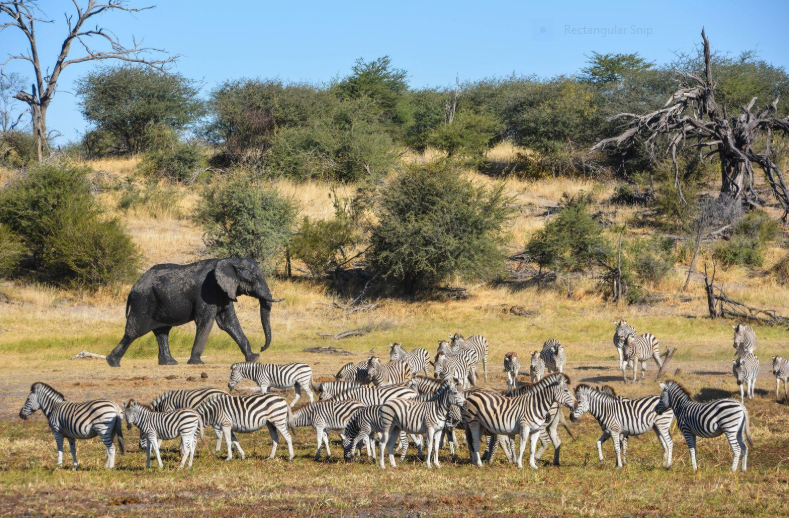
Elephants are often called "ecosystem engineers" because their daily movements shape the landscapes they inhabit. As they travel through dense forests, grasslands, and woodlands, they create well-worn trails that become valuable pathways for many other animals. These natural routes make it easier for wildlife to move through thick vegetation, search for food, and reach water sources without expending unnecessary energy.

Many species benefit from these elephant-made trails. Antelope, zebras, buffaloes, and wild pigs frequently use them to travel safely through dense habitats. Smaller mammals, such as monkeys and porcupines, also take advantage of these clear paths when moving between feeding areas. Even predators like lions and leopards may follow elephant trails while searching for prey, as these routes are often used by many different animals.

Elephant trails are especially important during the dry season, when access to water becomes limited. Because elephants have an excellent memory of the landscape, they often lead the way to rivers, ponds, and natural springs. Other animals follow these established paths, increasing their chances of finding the water they need to survive. In this way, elephants help connect essential resources across the ecosystem.

Protecting elephant populations means protecting countless other species that rely on the habitats they help maintain. Every trail an elephant creates is more than just a path—it is a lifeline that supports biodiversity and strengthens the balance of nature. By conserving elephants and their landscapes, we ensure that these natural highways continue to benefit wildlife for generations to come.
