
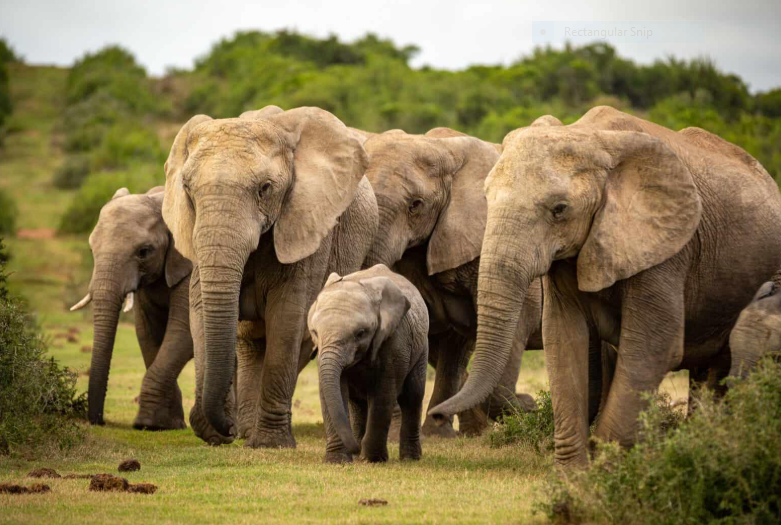
Elephant calves are rarely seen alone, and for good reason. From the moment they are born, they are surrounded by a close-knit family that works together to keep them safe. A newborn calf is vulnerable to predators, harsh weather, and unfamiliar terrain, so staying close to the herd greatly increases its chances of survival.

The calf's mother is its primary caregiver, but she is not alone in raising her young. Female relatives, often called "allomothers" or "aunties," also help protect, guide, and care for the calf. They watch over it while the mother feeds, help it navigate difficult landscapes, and gently encourage it as it learns important skills such as walking, using its trunk, and interacting with other elephants. This shared responsibility allows the entire herd to support the youngest members.

Staying together also helps calves learn from experienced adults. By following older elephants, they discover where to find food and water, how to communicate through rumbles and body language, and how to respond to potential dangers. Every journey becomes a valuable lesson that prepares them for adulthood.

Strong family bonds are one of the greatest strengths of elephant society. Herd members constantly check on one another, especially the youngest calves, ensuring that no one falls behind. When a calf becomes tired or frightened, adults often slow their pace or gather around it for protection. These remarkable acts of cooperation show that raising a calf is a family effort, built on trust, experience, and care. By protecting elephant families and the habitats they depend on, we help ensure that future generations of calves can continue to grow up surrounded by the support they need to thrive.
