
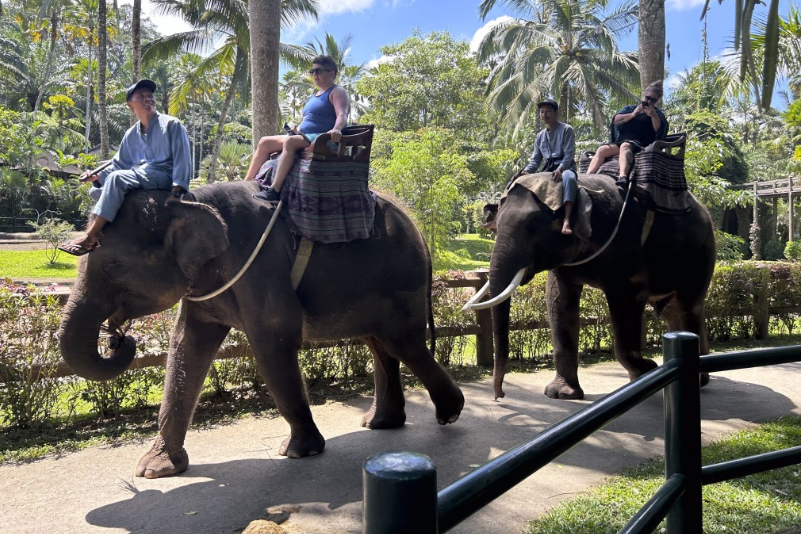

Elephant riding has long been promoted as a popular tourist activity in some parts of Asia, but growing research and public awareness have raised serious concerns about its impact on elephant welfare. Unlike horses, elephants are wild animals that have not been naturally domesticated over thousands of years. To make them carry people, many elephants undergo intensive training that may involve physical restraint, isolation, or other stressful practices, particularly when they are young.

These experiences can affect their physical health and natural behavior, while long hours of carrying heavy loads may place additional strain on their backs, joints, and feet. Animal welfare organizations emphasize that elephants have complex social lives and need space to roam, forage, bathe, and interact with other elephants in natural environments.

Today, many travelers are choosing more ethical ways to experience elephants. Responsible elephant sanctuaries focus on providing rescued or retired elephants with safe environments where they can express natural behaviors without being forced to perform or carry tourists.

Visitors can observe elephants from a respectful distance, learn about their ecology and conservation, and, where appropriate, participate in activities such as preparing food under the guidance of experienced caretakers. These experiences support conservation while placing the elephants' welfare first.
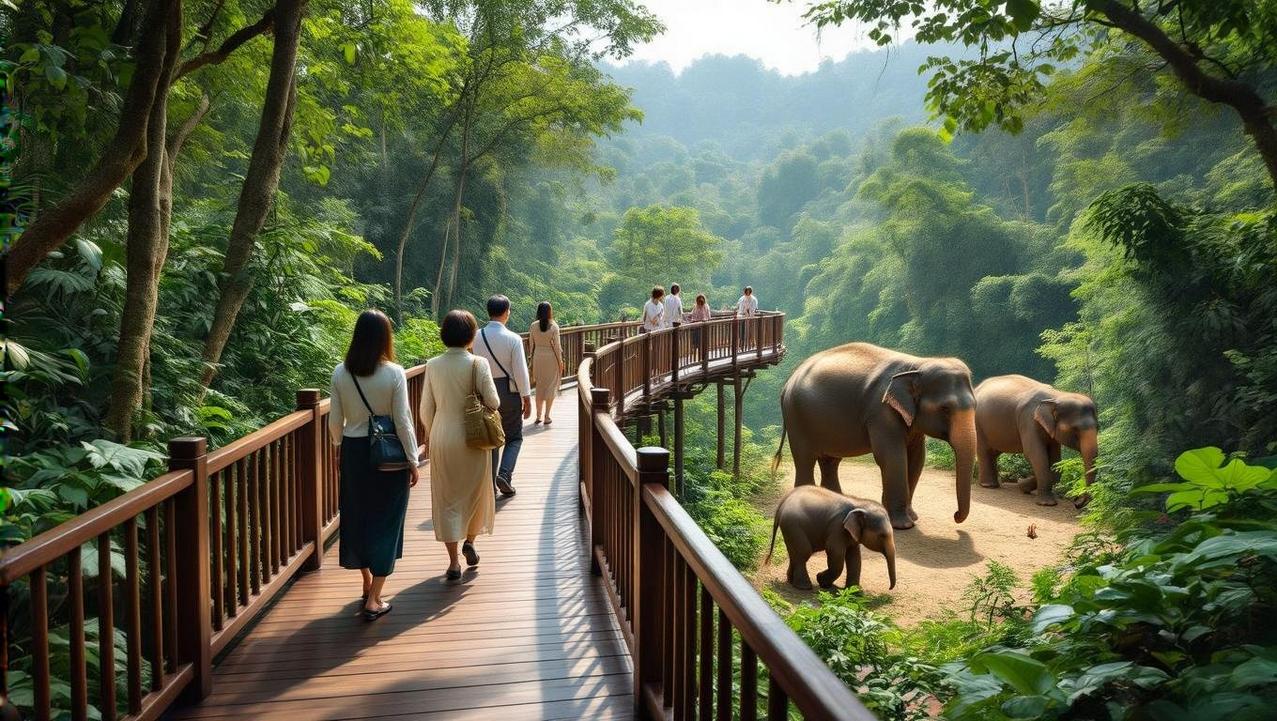
Protecting elephants means recognizing them as intelligent, social, and wild animals rather than sources of entertainment. By supporting ethical tourism and conservation initiatives, visitors can help improve the lives of captive elephants while encouraging a future in which elephants are respected for their natural behaviors. Choosing responsible wildlife experiences is a meaningful way to contribute to elephant conservation and promote higher standards of animal welfare.


