
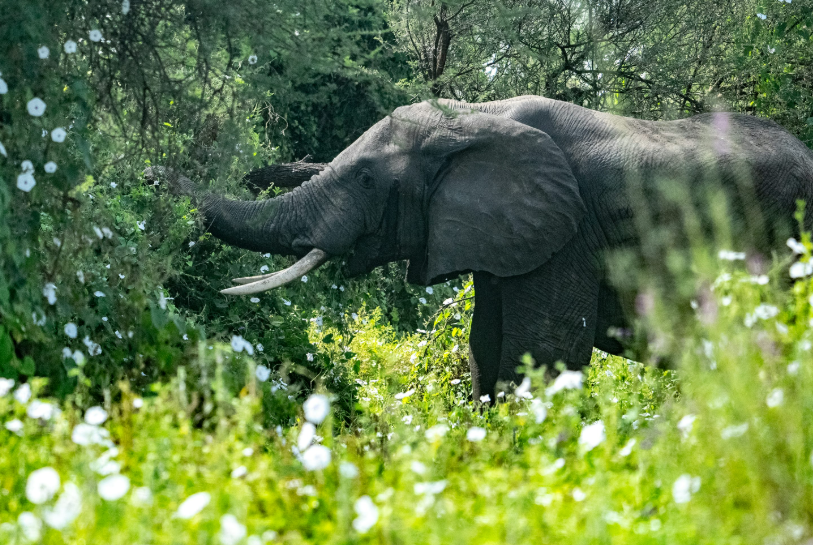
Elephants are called nature's gardeners because they play a vital role in maintaining healthy forests and balanced ecosystems. As they move across forests, grasslands, and wetlands in search of food and water, they naturally shape the landscapes around them.

One of their most important contributions is seed dispersal. Elephants eat many kinds of fruit, and the seeds often pass through their digestive system unharmed. These seeds are later deposited in nutrient-rich dung, sometimes far away from the parent tree. This process helps new plants grow and increases biodiversity.

Elephants also create space for young vegetation by breaking branches, clearing thick undergrowth, and opening the forest canopy. More sunlight can then reach the ground, encouraging grasses, shrubs, and young trees to grow. These plants provide food and shelter for many other animals.
Their footprints may collect rainwater and form small pools for insects, amphibians, and other wildlife. Elephant dung also enriches the soil and provides food for many small organisms.

Because so many plants and animals benefit from their activities, elephants are considered a keystone species. Protecting elephants means protecting entire ecosystems and helping forests remain healthy for future generations.
