
Genetic diversity is essential for the long-term survival of elephant populations. It refers to the variety of genes within a species, allowing individuals to adapt to changing environments, resist diseases, and maintain healthy reproduction. In the wild, elephants naturally move across large landscapes and interact with different herds, ensuring that genes are exchanged between populations.

However, habitat loss, fragmentation, and human development have isolated many elephant groups, limiting these natural breeding opportunities. As populations become smaller and more separated, genetic diversity gradually declines, making elephants more vulnerable to disease, environmental changes, and reproductive problems. Research has shown that maintaining gene flow between elephant populations is critical for their long-term resilience and survival.

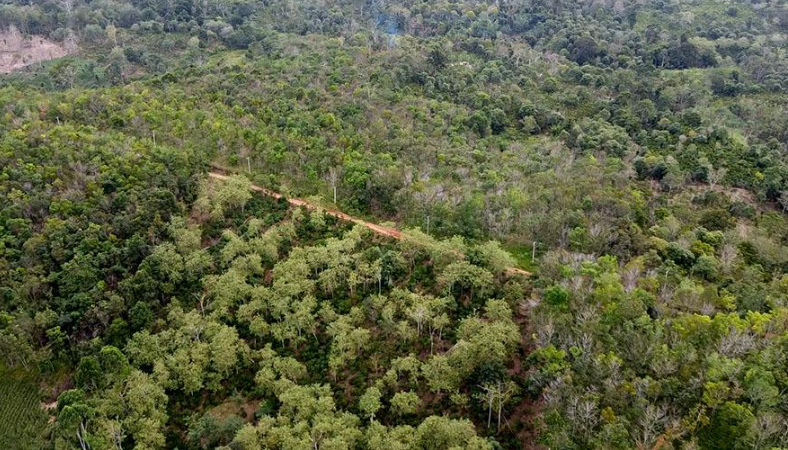
Conservationists are working to protect and restore the natural connections that allow elephants to move safely between habitats. Wildlife corridors, protected landscapes, and cross-border conservation initiatives help prevent isolated populations and encourage healthy breeding.

Scientists also use DNA analysis to monitor genetic diversity and identify populations that may need additional protection. This information helps guide conservation decisions, ensuring that elephant populations remain strong and adaptable in the face of climate change and habitat loss.

Protecting genetic diversity is about more than preserving individual elephants—it is about safeguarding the future of the entire species. By maintaining connected habitats and supporting science-based conservation, we can help elephants continue to thrive in the wild for generations to come. Healthy genetic diversity gives elephant populations the strength to adapt, survive, and remain a vital part of Earth's rich biodiversity.
