
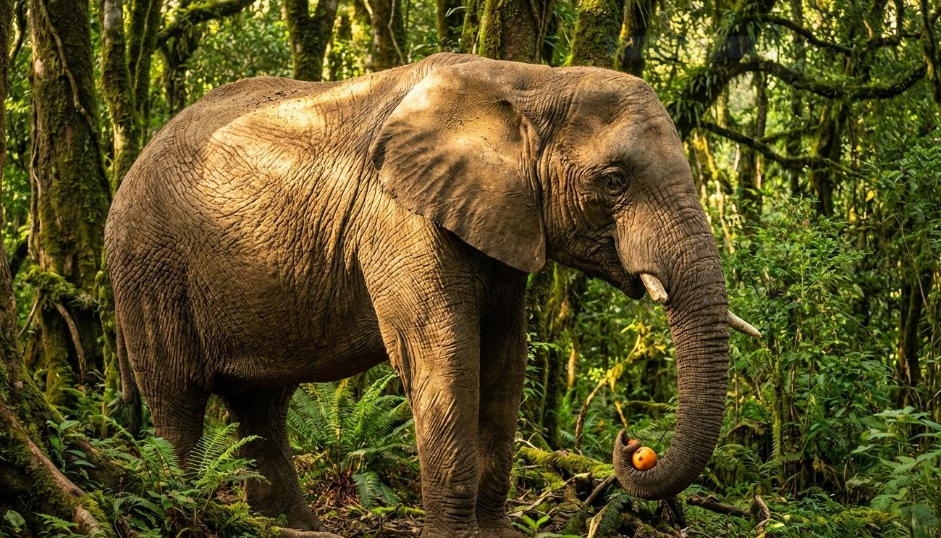
Healthy elephant populations are essential for maintaining healthy forests because these remarkable animals play a vital role in shaping and sustaining natural ecosystems. As elephants travel through forests in search of food and water, they influence the growth of vegetation, disperse seeds, and create habitats that benefit countless other species. Their daily activities help forests remain diverse, resilient, and capable of supporting a wide variety of wildlife.

One of the most important ways elephants contribute to forest health is through seed dispersal. They eat a wide range of fruits, and many of the seeds pass through their digestive system unharmed. These seeds are later deposited in nutrient-rich dung, often far from the parent tree, giving them a better chance to germinate and grow. This natural process helps regenerate forests and increases plant diversity across large areas.

Elephants also shape the structure of forests by feeding on shrubs, breaking branches, and creating openings in dense vegetation. These gaps allow sunlight to reach the forest floor, encouraging the growth of grasses, young trees, and flowering plants. The resulting variety of habitats provides food and shelter for birds, insects, reptiles, and many other animals that depend on healthy forests.

In addition, elephant dung enriches the soil with valuable nutrients and supports insects, fungi, and microorganisms that recycle organic matter. Even the trails elephants create as they move through forests can become pathways used by other wildlife, making it easier for different species to travel and access important resources.

When elephant populations decline, forests can gradually lose many of these natural ecological processes. Reduced seed dispersal and changes in vegetation may affect biodiversity, making ecosystems less resilient to environmental challenges such as climate change and habitat degradation.
Protecting elephants means protecting the forests they help maintain. By conserving elephant habitats, preserving migration routes, and supporting coexistence between people and wildlife, Elephant Rise helps safeguard thriving forests that benefit not only elephants but also countless other species and future generations.