
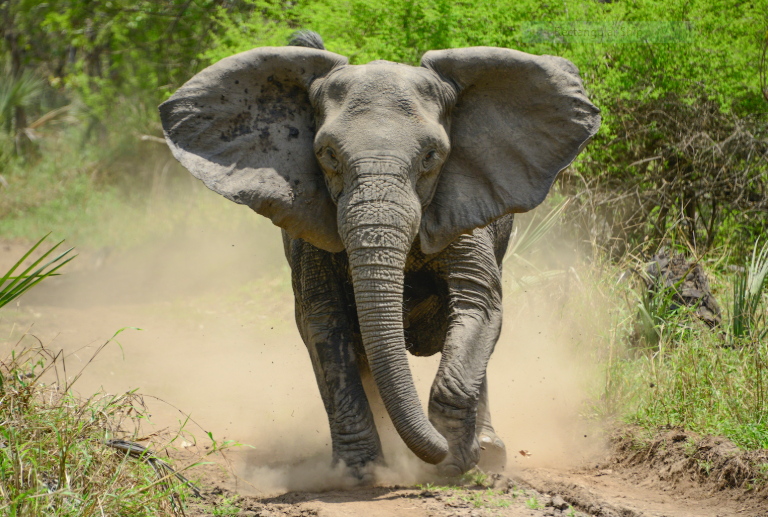
Tusks are one of the most recognizable features of elephants, yet not every elephant has them. In some populations, particularly among African elephants, certain females are naturally born without tusks. This condition, known as tusklessness, is a naturally occurring genetic trait that has become more common in some areas over time.


Tusks are modified incisor teeth that elephants use for digging, stripping bark, moving obstacles, and defending themselves. While tusks provide many advantages, elephants without them are still capable of surviving by adapting their behavior and relying on other parts of their bodies, such as their trunks and feet, to perform many daily tasks.


Scientists have observed that tusklessness has increased in some elephant populations that experienced intense ivory poaching. Because poachers have historically targeted elephants with large tusks, tuskless females were more likely to survive and reproduce, passing this inherited trait to future generations. This is considered an example of how human activities can influence the evolution of wildlife.

Although tuskless elephants can thrive in many environments, the loss of tusks may affect how they interact with their surroundings. Tasks such as digging for water, accessing certain food sources, or modifying vegetation can become more challenging, potentially influencing the role elephants play within their ecosystems.

Protecting elephants from illegal ivory trade is essential to preserving healthy, naturally diverse populations. When elephants can live free from the pressure of poaching, natural traits and behaviors are more likely to be maintained across generations.
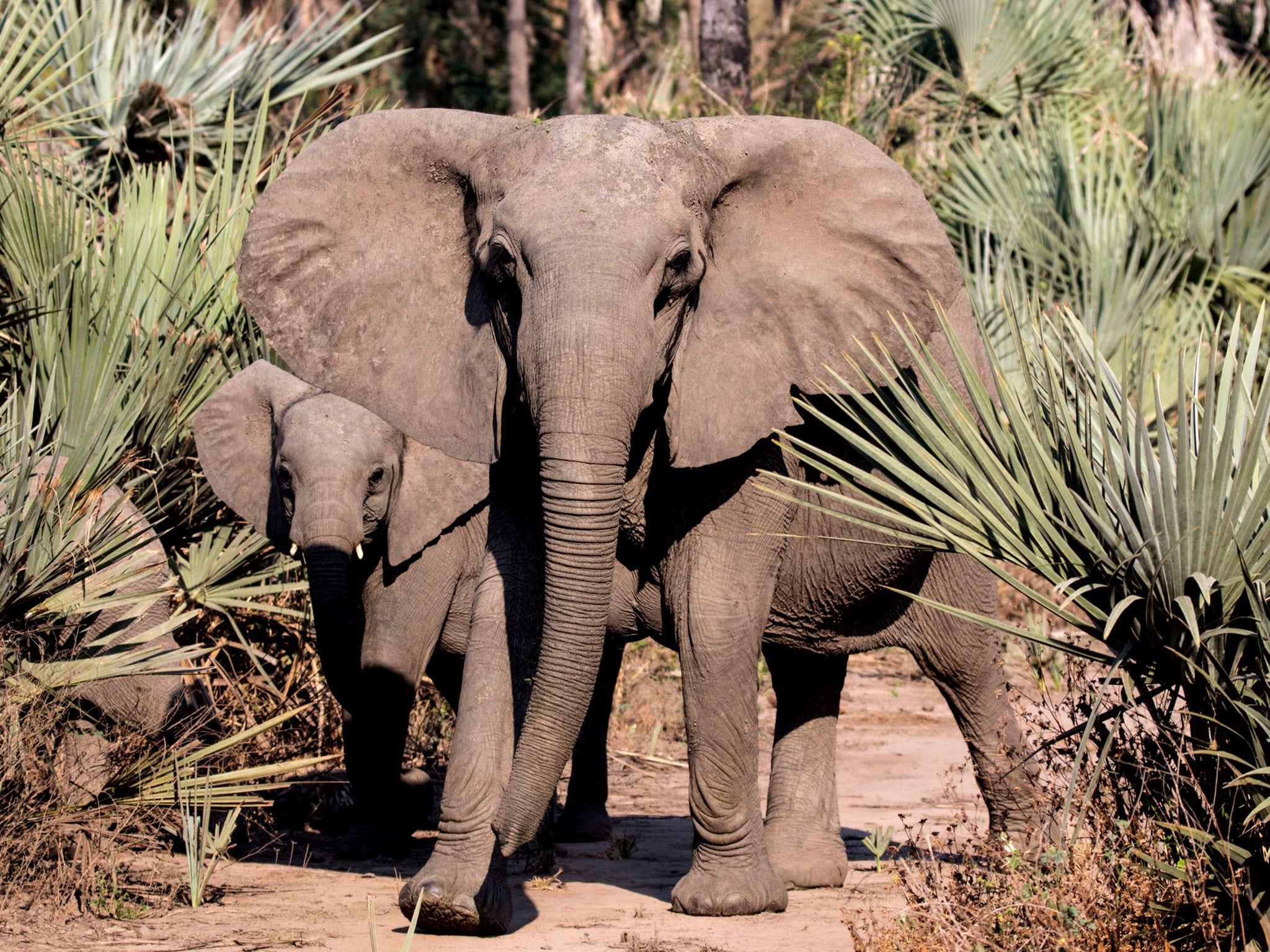
At Elephant Rise, we believe every elephant is unique. Whether an elephant has long tusks, short tusks, or no tusks at all, each individual plays an important role in maintaining healthy ecosystems. By supporting conservation and ending the demand for ivory, we can help ensure a safer future for elephants across Africa and Asia.
