
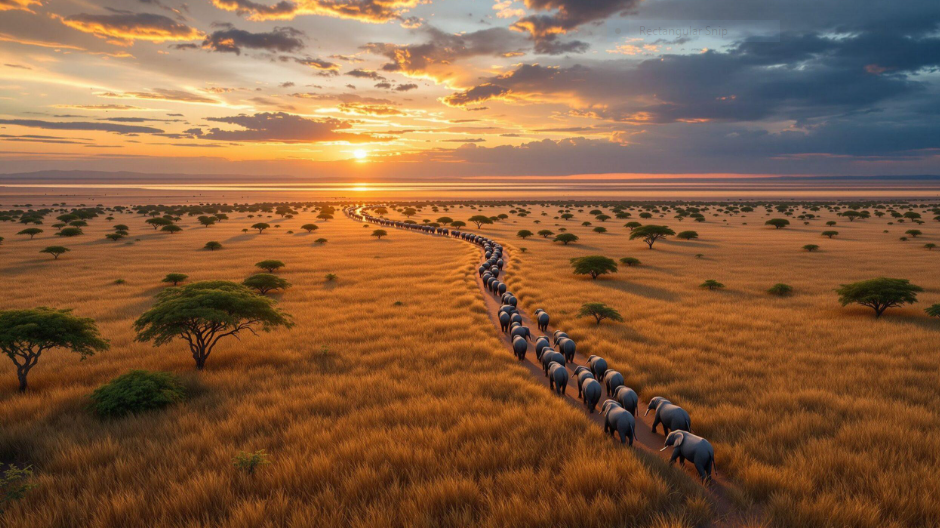
Elephants are among the most remarkable animals on Earth. Every year, they travel long distances in search of food, water, and safe places to raise their young. To complete these journeys, they rely on wildlife corridors—natural pathways that connect forests, grasslands, and protected areas. These corridors allow elephant populations to move freely between habitats, helping them find essential resources while maintaining healthy genetic diversity.

Unfortunately, many wildlife corridors have been fragmented by roads, farms, railways, and expanding cities. As a result, elephants are often forced to cross human settlements, increasing the risk of accidents and conflicts with local communities.

Habitat fragmentation also limits access to seasonal feeding grounds and water sources, making survival more difficult. Protecting and restoring these natural connections is therefore one of the most effective ways to support elephant conservation and reduce human–wildlife conflict.

Wildlife corridors benefit not only elephants but also many other species that share the same ecosystems. By preserving connected landscapes, governments, conservation organizations, and local communities help maintain biodiversity and strengthen the resilience of nature.

Small actions such as protecting forests, planning wildlife-friendly infrastructure, and raising public awareness can make a significant difference. If people continue working together, future generations will have the opportunity to witness elephants roaming freely across healthy landscapes, just as they have done for thousands of years. Protecting wildlife corridors is an investment in both nature and humanity's shared future.
